Invasion Day 2026 - We Have Survived! - Sunshine Coast

Start: Monday, January 26, 202609:00 AM

End: Monday, January 26, 202601:00 PM


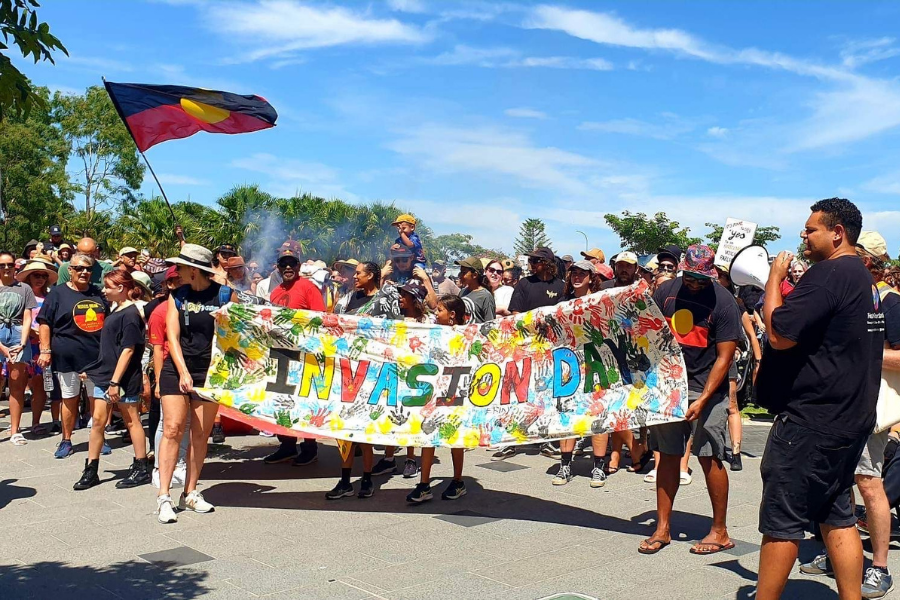
Stand in solidarity & goodwill with First Nations (Aboriginal and Torres Strait Islander) peoples on this day to mark Invasion Day, a Day of Mourning and Survival.

Join us! 88 years since the first Day of Mourning, community will come together, to acknowledge and pay respects to those who have marched before.

Invasion Day is a day of inclusion, bringing together all genders, all ages, all backgrounds, and in a way that acknowledges the injustice that 26 January represents. It signifies the continued struggle First Nations peoples and indeed the broader Australian community endure. It honours those giants that walked this path before and have done since 1938. It's on the shoulders of these giants that we stand today.

This year is the Sunshine Coast's 4th Invasion Day procession. Come and be part of history. We know there are over 1.2 million First Nations allies in Queensland and this is your call to action!

On Monday, 26 January 2026

Assemble 9.00am at Foundation Square (Sunshine Coast City Hall) Maroochydore.

Bring your family, bring your friends and bring your neighbours to commemorate the true history of this country.

At 10.00am community will lead a 1.5km procession to Cotton Tree Park where we will gather.

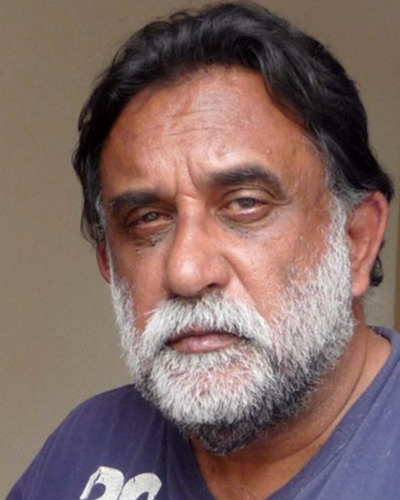
There will be speeches, including an address by Les Maleser, Chairperson of the Foundation for Aboriginal and Islander Research Action (FAIRA), and time for community to network.


Speaker: Les Malezer

Les Malezer is of the Butchulla peoples and Kabi Kabi peoples in Southeast Queensland.

Uncle Les is recognised in Australia and internationally for his lifetime of work to promote and defend the rights of First Nations peoples in Australia and internationally. He played a pivotal with First Nations peoples representatives from around the world in the historic adoption of the UN Declaration on the Rights of Indigenous Peoples by the UN General Assembly in 2007. His work was recognised in 2008 with the Australian Human Rights Award and from 2017-2019 he was Expert Member of the UN Permanent Forum on Indigenous Issues (UNPFII).

Uncle Les has held senior roles in government, including as a former head of the Queensland Department of Aboriginal and Islander Affairs. He became the Founding Chairperson of the Foundation for Aboriginal and Islander Research Action (FAIRA) in 1974 and was twice elected as Co-Chair of the National Congress of Australia’s First Peoples.


If you or your organisation is interested in supporting this event please email info@firstnationsaction.org


In Australia all peoples have self-determination, except for the First Nations (Aboriginal and Torres Strait Islander) peoples.

Nothing About Us With Out Us!

Human rights are for everyone, everywhere, everyday!

"Human rights are a set of principles concerned with equality and fairness. They recognise our freedom to make choices about our lives and to develop our potential as human beings. They are about living a life free from fear, harassment or discrimination."

"These human rights are the same for all people everywhere – men and women, young and old, rich and poor, regardless of our background, where we live, what we think or what we believe. This is what makes human rights ‘universal’."

"Human rights connect us to each other through a shared set of rights and responsibilities."

"Governments have a particular responsibility to ensure that people are able to enjoy their rights. They are required to establish and maintain laws and services that enable people to enjoy a life in which their rights are respected and protected."

Why are human rights important?

"Values of tolerance, equality and respect can help reduce friction within society. Putting human rights ideas into practice can helps us create the kind of society we want to live in."

"Human rights are an important part of how people interact with others at all levels in society - in the family, the community, schools, the workplace, in politics and in international relations. It is vital therefore that people everywhere should strive to understand what human rights are. When people better understand human rights, it is easier for them to promote justice and the wellbeing of society."

(Reference Australian Human Rights Commission)


First Nations Action Network acknowledges Country - the lands, the waters, the skies and the winds - connected to the Traditional Custodians and all that live, work and play on the sacred places of the ancestors that have walked before, that walk today and those that will emerge to walk into the future.