How Housing Scarcity is Costing Massachusetts Political Power
Start: 2026-09-24 19:00:00 UTC Eastern Daylight Time (US & Canada) (GMT-04:00)
End: 2026-09-24 20:00:00 UTC Eastern Daylight Time (US & Canada) (GMT-04:00)
Event Type:
Hybrid (In-Person & Virtual Option)
A virtual link will be communicated before the event.
Since 1970, our state has gone from 12 to 9 House seats, resulting in less representation in Congress and a reduced voice in the Electoral College. And if trends continue, we’ll lose another in the 2030 census.
Meanwhile, states in the South are experiencing rapid growth and a corresponding shift in political power. Why are people leaving Massachusetts for places like Florida? Among many reasons, housing availability is the most significant.
We can fix this by building more housing. When we reform local zoning laws and policies, we can increase our population and restore our state's political influence on the national stage.
BU Professor Maxwell Palmer will connect the dots between local housing policy, demographic shifts, and national politics. If you’re unhappy with the current direction of national politics, this is a way to take concrete, meaningful action locally.
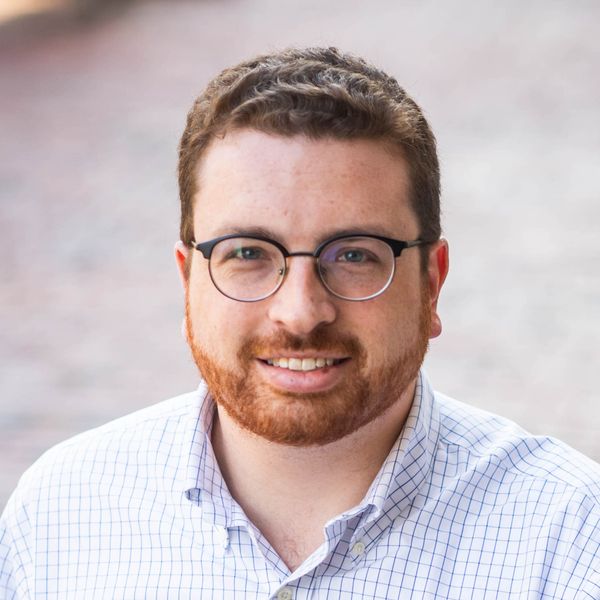 Maxwell Palmer is an Associate Professor in the Department of Political Science at Boston University, where he focuses on American political institutions, electoral rules, and local government. After receiving his PhD in Political Science from Harvard University, he joined BU in 2014 and currently serves as a Faculty Fellow at the Initiative on Cities and a co-principal investigator for the Menino Survey of Mayors. His work explores how institutional arrangements impact representation and policy outcomes, particularly concerning housing development, voting rights, and redistricting.
Sponsored by
