Advocate for Transparency and Flexibility in Nuclear Decommissioning Trust Funds
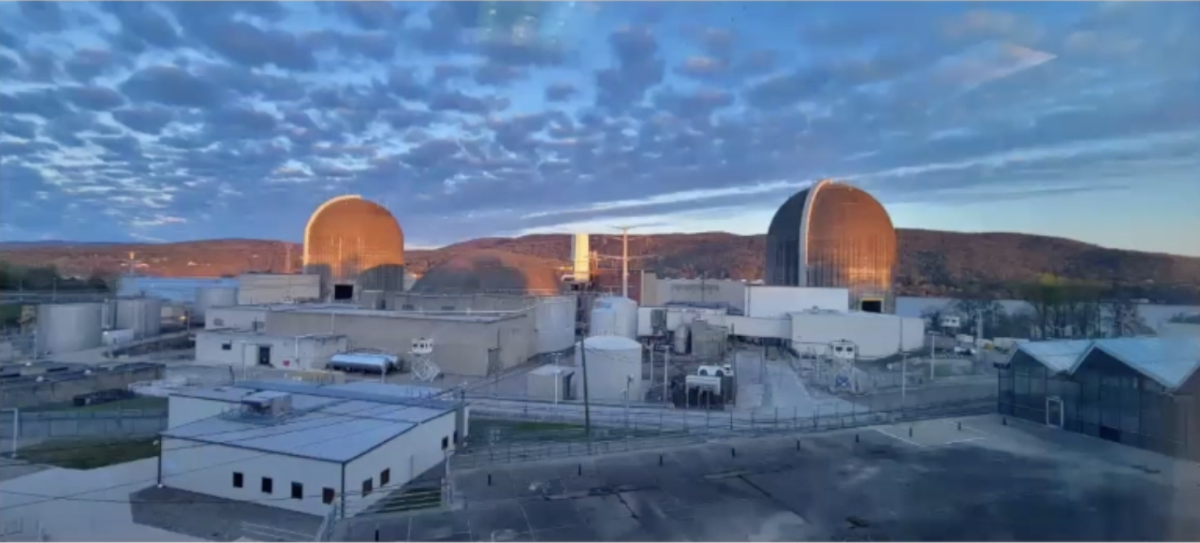
The closure of a nuclear power plant has a tremendous impact on a host community and their schools.
Currently, there is little to no transparency with the Decommissioning Trust Funds and how the monies held in these funds grow and are spent. We need to demand transparency and accountability with Nuclear Decommissioning Trust Funds and ask that allowances be made so that a portion of these funds can be allocated for use by local school districts and communities impacted by the closure of a nuclear power plant.
Background Information
- Congressman Michael Lawler (NY-17) introduced the REACT (Reactor Expenditure Accountability and Compliance Transparency) Act (H.R.5803) in October, 2025. There is currently no companion bill in the Senate.
- The reporting requirements for decommissioning trust funds are limited and lack sufficient detail.
- H.R.5803 directs the NRC to require nuclear power reactor licensees to report on the earned interest, the projected annual rate of return, and detail the expenditures made for decommissioning activities using withdrawals from the decommissioning trust fund.
- Federal law currently prohibits trust fund use to aid local school districts or communities impacted by the closure of a nuclear power plant.
Why this Matters
- While extremely difficult to verify, growth in these funds during the decommissioing process is believed to be tremendous. For example, best estimates indicate that Indian Point's Decommissioning Trust Fund has grown from ~$700 million to ~$3 billion.
- All of the increases in these trust funds, after decommissioning expenses are subtracted, are currently considered to be the profits of the privately-held decommissioning companies, while no portion is shared with the communities that suffer when a plant closes.
- Communities that have hosted nuclear power plants should have access to a portion of these funds to aid in their economic recovery.
Click to TAKE ACTION!
Sponsored by

Montrose, NY