Let's fix the Culver City budget process
At the next City Council meeting on October 27, we have an important opportunity to modify the budgeting process to enable more resident input.
Culver City is running out of money. The city has a “structural deficit,” which means that every year, it is spending more than it collects in taxes and fees. You think, “How could that be? Housing prices have gotten so insane, they must be collecting so much more in property taxes. The city has become so gentrified and added so many jobs!”
Property taxes actually contribute less than 10% of the city’s General Fund (9.6%). Even utility taxes provide more city revenue (10.0%). Culver City’s largest revenue source is the sales tax, which provides an estimated 23.5% of the current fiscal year’s budget.
The structural deficit means the city doesn’t have the funds for new initiatives to serve the changing needs and priorities of its residents. And that means how it uses the available resources is crucial. That brings us to the budget process. The graph below shows the allocation of funds for Fiscal Year 2025-2026.
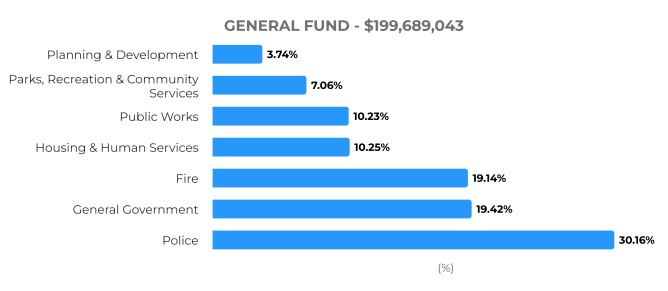 Source: Culver City Adopted Budget, FY2025-26. Notes: Public Works is funded partly from the General Fund and partly from Refuse Collection Fees; Transportation is funded from sources outside the General Fund. The Senior Center is part of Parks, Recreation & Community Services.
Budgeting seems boring. And city budgeting is complicated - way more complicated than a household budget. It’s also essential. The Culver City budget represents the city’s actions and priorities – its past decisions, its future aspirations.
The city budget isn’t just numbers. It’s people: the Parks maintenance worker who mows the grass at Vets Park, the firefighter/paramedic who comes to your door when you call 911 with a medical emergency, the accounting supervisor who makes sure the city’s bills get paid on time, the pool maintenance technician who keeps the pump running at the Plunge. It’s also the pensions and health benefits for retired employees. (Yes, public workers still get pensions.)
At Monday night’s City Council meeting, item A-1 on the agenda includes two important parts:
1. Proposed changes to the FY2026-2027 budget process:
- All City Department Heads would explain what their departments do, discuss their current work plans, and hear from residents about their priorities at an open public forum
- Q & A sessions for residents would be added to explain the Mid-Year Budget Report and the Proposed Budget.
In the current budget process, residents can make 1 to 3 minute public comments, but they receive no response. These Q&A sessions would go a long way toward educating residents about the salaries, benefits, and other expenses that go into providing city services.
2. Civic Assembly: A representative process to provide resident input into the budget process
- A Civic Assembly is a randomly selected group of residents that represents the demographics of the city.
- They would learn about the current budget process, including observing preparation of the FY2026-2027 budget, and then deliberate to form recommendations to City Council for how residents can participate in the budget process.
- Civic Assembly participants are paid for their time (and transportation as necessary) and have access to expert consultants.
Civic Assemblies empower the community. They have been shown to build trust and transparency in government, enable inclusivity, and build civic communication skills.
The FY2025-2026 budget includes the funds for a consultant to support and facilitate the Civic Assembly process and to pay participants.
Please tell City Council to:
- Approve the short-term recommendations for the FY2026-2027 budget process
- Approve engaging a consultant to conduct a Civic Assembly to develop strategies to increase public participation in the budget process
Change to our budget process is essential and urgent. While we are seeing the federal budget being torn apart and the needs of the American people tossed aside, here in Culver City we can help our government become more transparent, inclusive, and responsive to the people who live here.
Sponsored by