Trump Administration Proposes to Eliminate Protections for 45 Million Acres of Roadless Lands Within the National Forest System
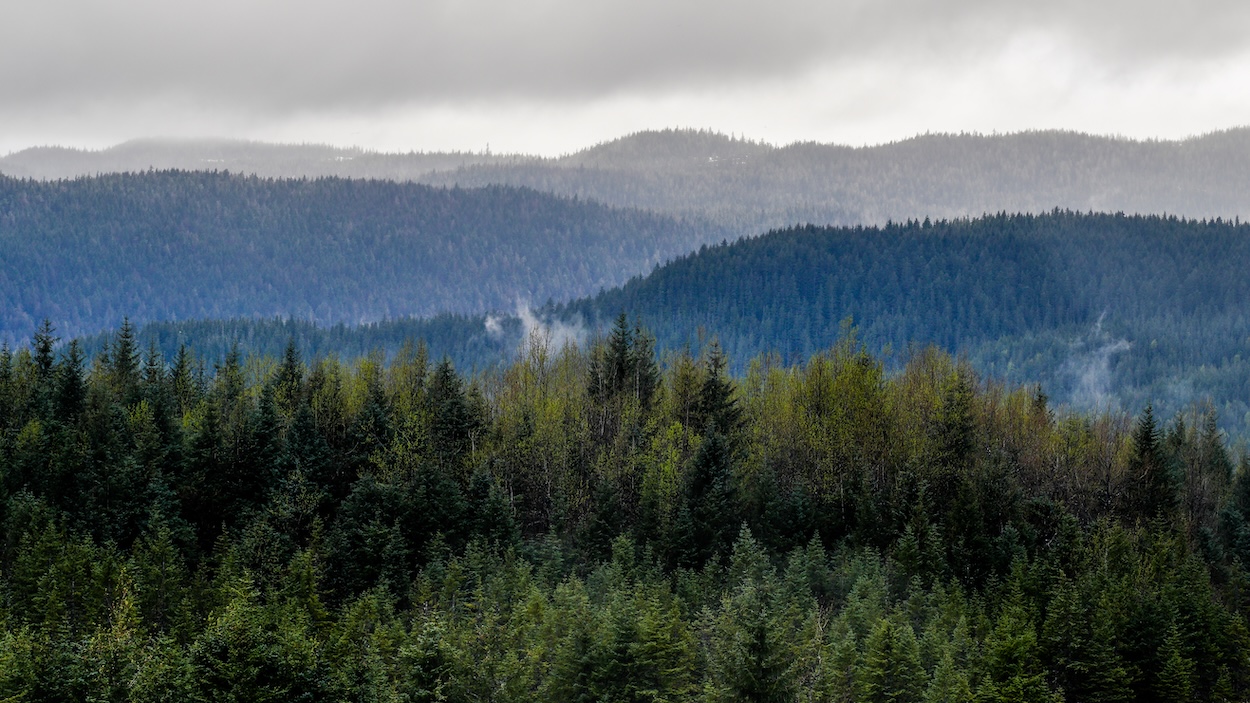
For nearly 25 years, the Roadless Rule, one of the most important conservation policies in U.S. history, has protected more than 58 million acres of the countries’ most important remaining wild forests and other critical habitats from road construction, logging, and other forms of industrial development. Rescinding the rule would remove protections from nearly 45 million acres of currently roadless national forest lands, opening critical wildlife habitats to fragmentation and degradation. Thirteen million acres will remain protected by visionary state laws enacted in Idaho and Colorado.
Roadless areas comprise about 30 percent of all national forest land and protect many of our last wild areas, imperiled species, and old-growth forests—all while absorbing millions of tons of carbon per year, helping to slow climate change. They are essential to rewilding efforts to welcome home important wildlife too long missing from these landscapes, restoring ecological function and resilience.
In June 2025, Agriculture Secretary Brooke Rollins announced her intent to rescind the Roadless Rule, dubbing it an “outdated administrative rule” that “contradicts the will of Congress and goes against the mandate of the USDA Forest Service to sustain the health, diversity, and productivity of the nation’s forests and grasslands.” Rollins is flat wrong. Leaving the Roadless Rule intact would significantly support these mandates; whereas eliminating the rule will have the opposite effect. That extractive industries strongly support the rule’s elimination is a strong warning sign.
Conservation-minded citizens have fought to keep these public lands wild and roadless before, and we must defend them once again. Please use our action form to send your comments opposing this proposed regulation.
This senseless action must be stopped.
Please Note: Your comment letter will be delivered to a docket and all information submitted may be placed in the public record. Do not include any confidential/sensitive information in your comment. Your first name and state only will be appended at the bottom of your letter.
Sponsored by