Tell Governors: Act Where Trump’s USDA Is Failing on Climate and Biodiversity Crises
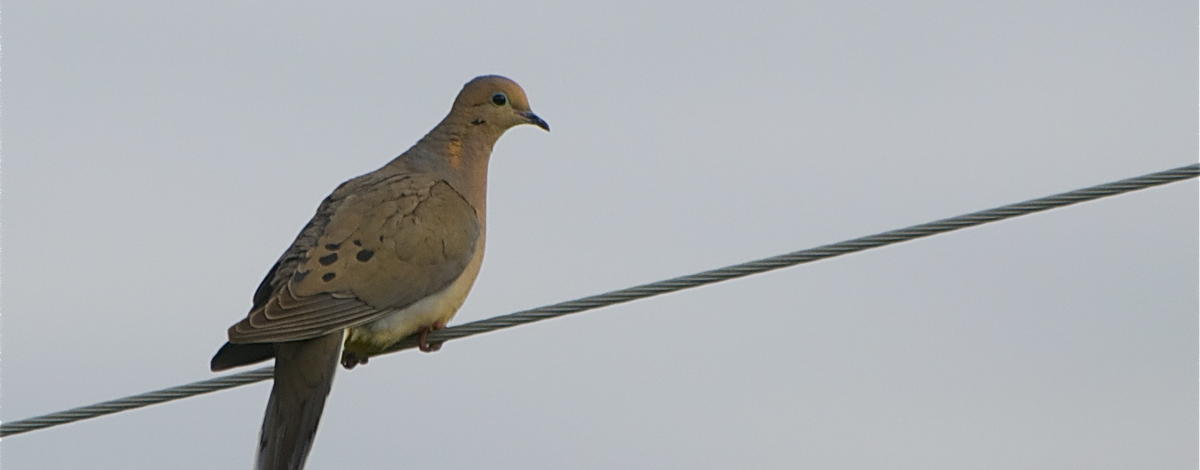
Step outside on a spring morning and listen. The chorus of birds that once filled our neighborhoods, farms, and forests is growing quieter each year. Across the United States, communities are losing the wildlife that has long been part of our shared natural heritage—and scientists warn the crisis is accelerating.
A new peer-reviewed study published in Science finds that bird populations across North America are declining faster than ever, driven largely by the combined pressures of industrial agriculture and climate change. Researchers analyzing decades of data found many species are not just declining—they’re declining at an increasing rate, pushing some closer to extinction.
This isn’t just a wildlife crisis. It’s a community crisis.
Birds are essential to healthy ecosystems that people depend on every day. They help control crop-damaging pests, pollinate plants, disperse seeds, and keep natural systems in balance. When bird populations collapse, it signals that ecosystems are unraveling—and that the services nature provides to our communities are breaking down as well.
The same forces driving bird loss are fueling the broader biodiversity and climate crises.
The climate crisis and the biodiversity crisis are deeply interconnected: as climate change destroys habitats and disrupts ecosystems, the loss of species and natural systems in turn weakens the planet’s ability to store carbon, regulate weather, and protect communities from climate impacts.
Industrial agriculture is rapidly converting diverse landscapes into vast monoculture fields drenched in pesticides and fertilizers. These practices wipe out insects, destroy nesting habitat, pollute waterways, and release greenhouse gases that worsen climate change. In turn, climate change brings more drought, extreme heat, and severe storms, further destabilizing ecosystems and wildlife.
Unfortunately, federal leadership has failed to confront these interconnected threats and, in some cases, such as the expansion of glyphosate production, has actively made them worse. The US Department of Agriculture continues to subsidize and support farming systems that accelerate habitat loss and biodiversity decline.
If Washington won’t act, states must lead.
We call on state leaders to direct their agencies to limit the most destructive forms of intensive agriculture and protect wildlife by:
- Reducing harmful pesticide use and fertilizer pollution.
- Protecting and restoring grasslands, wetlands, and wildlife habitat.
- Supporting regenerative farming that strengthens biodiversity and climate resilience.
- Preventing the unchecked expansion of large-scale monoculture agriculture.
The disappearance of birds is a warning sign we cannot ignore.
Please send your governor a message today: protect birds, defend biodiversity, and confront the climate crisis before the silence spreads to our communities.
Source:
Science | Acceleration hotspots of North American birds’ decline are associated with agriculture
Sponsored by

Additional Sponsors