Tell the County Council/Exec: No PFAS Laden Artificial Turf Field at Poolesville High School

- They are known to leach harmful PFAS and other chemicals into local wells - when Poolesville has already spent millions (so far) mitigating PFAS in wells
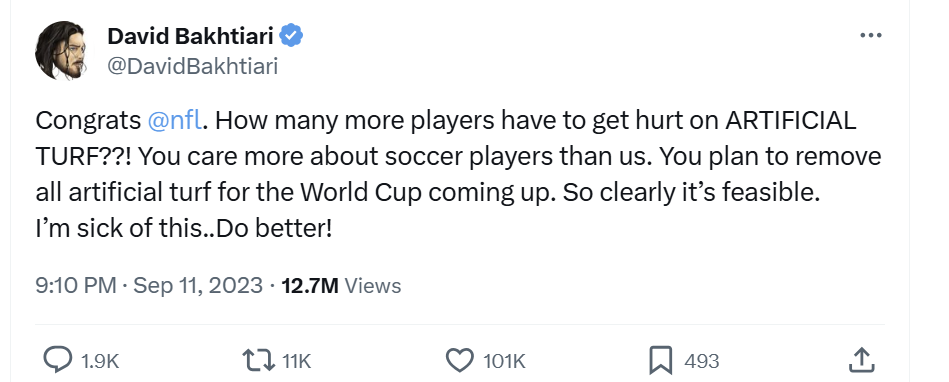
- They are harmful to athletes - the NFL players union does not want to play on it citing increased injuries - all Men's World Cup locations must be natural grass the women's team sued to get all grass venues. PFAS coats the skin of athletes when they play and the Children's Health Center of Mount Sinai Hospital has come out against all artificial turf fields
- They are more expensive than grass fields and need to be regularly replaced. The price tag is $3.6 Million to install the proposed PHS fields and they will need replacing in 8-10 years along with annual maintenance costs.
- They risk introducing chemicals into Ag wells, endangering the safety and salability of Ag Reserve products - bringing uncertainty to a $281 Million dollar sector of the County economy.
The Board of Education approved this field on November 20th. The budget is now with the the County Council and County Executive who will start hearing testimony on February 8. Please click "take action" or "start writing" to speak up for groundwater, children's health and fiscal responsibility.
More Background below
We All Drink From the Same Tap
Every resident and farm in the Ag Reserve relies on the Piedmont Sole Source Aquifer running below the surface for drinking and irrigation water. The wells and septic systems serve the Reserve by design - limiting large scale development and saving the county many millions on running water and sewers to one third of the county.
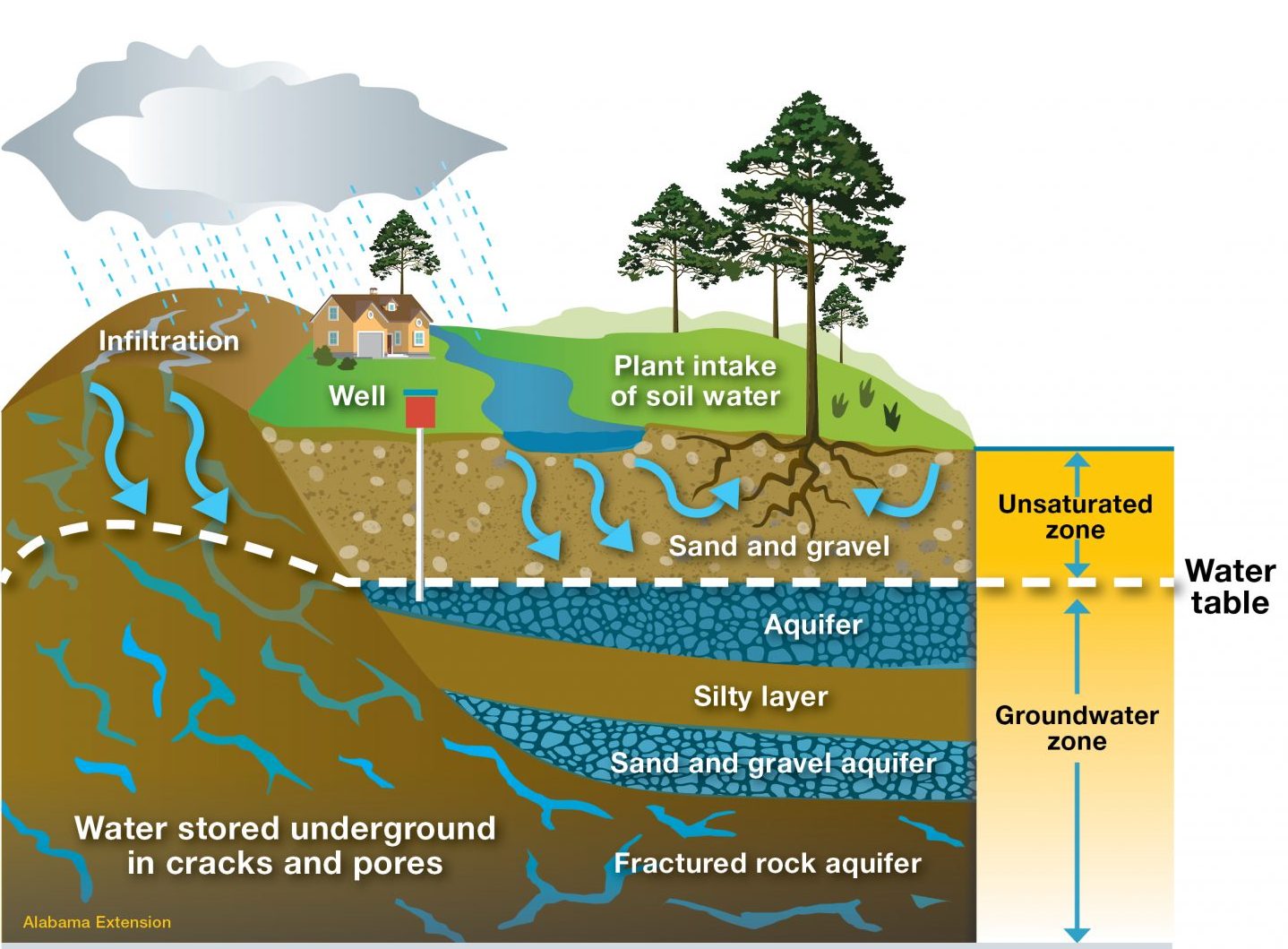
Because of our fractured rock geology, chemicals on the surface easily leach down to the groundwater below - and getting that contamination out is really hard.
PFAS - Dangerous and Expensive
The Town of Poolesville saw this several years ago when monitoring showed several municipal wells had high concentrations of PFAS - forever chemicals that cause a myriad of health issues with very little exposure.
Town staff had a swift and efficient response - taking the wells offline and spending millions to mitigate the problem.
But how do we avoid this problem in the future - we can hope we catch a problem in time and mitigate wells at great expense - or we can control contamination on the surface before it starts, saving millions and preventing public health issues.
Athlete injuries and toxicity
Enter the Poolesville High School's quest to replace their regular turf field with an artificial turf field.
The plastic "blades" are rolled out over an underlayment of "crumb rubber" - think chopped up tires. There are no artificial turfs on the market that do not contain high levels of PFAS.
One reason given for the switch to plastic fields is a better playing experience. Professional athletes would disagree. There are documented increased health issues for players of playing on this type of field (infections, high heat - (55 degrees higher than grass), injuries from slipping) that have NFL plyers calling for a return to all grass. The men's World Cup has insisted on all grass venues since 2022 while the women's team has sued to get the same treatment.
Impacts on Farm Economics
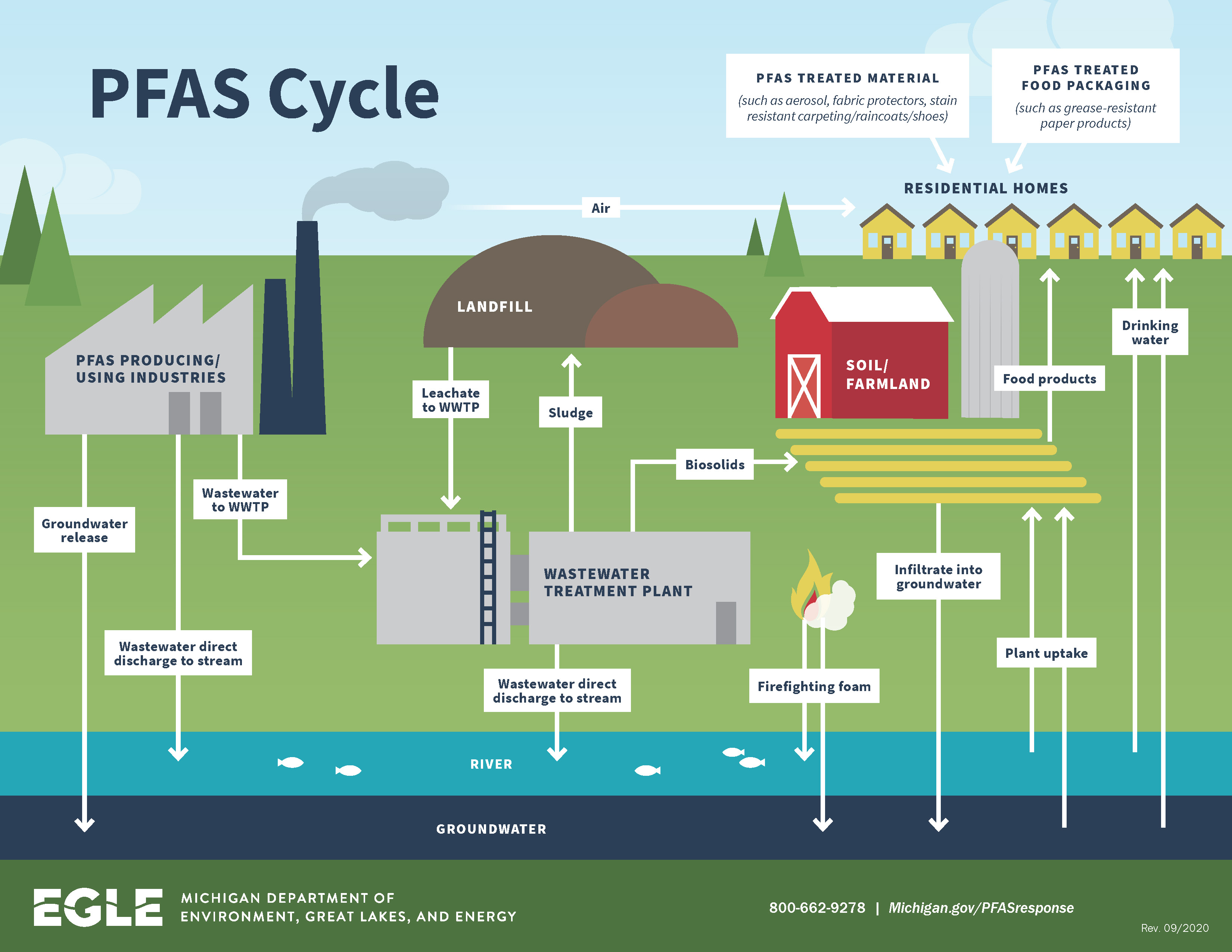
PFAS and the other myriad chemicals in artificial turf pose a real risk for local farms. PFAS - being "forever chemicals"- concentrate in the soil and travel through the food chain, becoming higher in plants and then animals who consume that feed. In Maine where PFAS testing of farm products has been done systematically since 2021, some farms are being shuttered and livestock destroyed to prevent products with high PFAS from reaching consumers. The state is being forced to buy and repurpose these contaminated farms.
Please take a moment to personalize a letter to the County Council and County Exec (and cc the BOE) - click "start writing" now. And Thanks!
Sponsored by
