Don't Let Dow Turn the Gulf Coast into a Corporate Plastic Dumping Ground
CEO Karen S. Carter, Dow Inc.
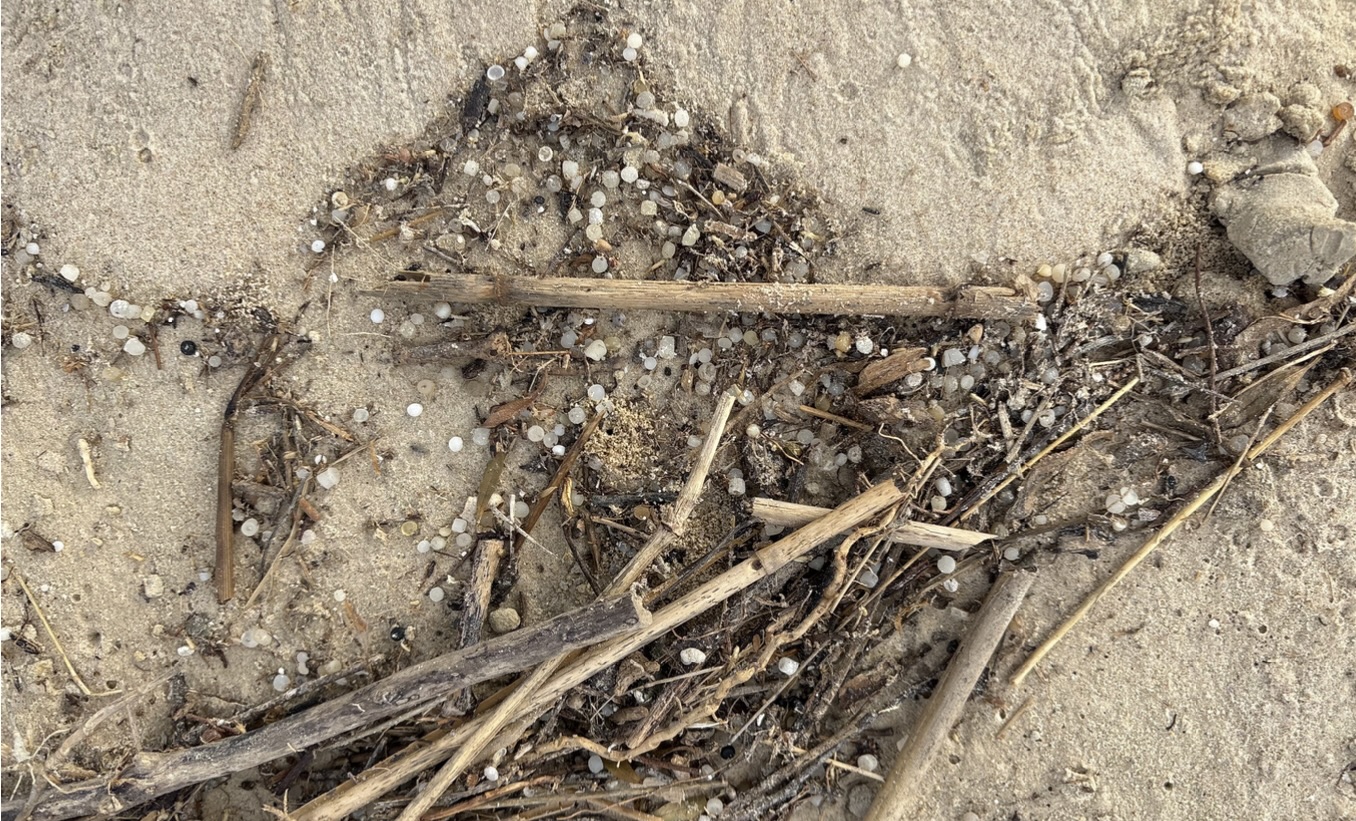
In recent months, Dow Inc. and its subsidiary, Union Carbide Corporation, requested permission to discharge plastic waste from their 4,700–acre complex into waters feeding San Antonio Bay and the Gulf of Mexico. Plastic waste is a persistent pollutant that chokes our waterways, poisons wildlife, and threatens human health. This would worsen ongoing environmental threats and give corporate polluters a green light.
Tell Dow our health and environment are not for sale!
Industrial plastic waste, including pellets, flakes, and powders, spills into our oceans during production, absorbs toxic chemicals, and can break down into smaller microplastics. Dow's request to allow plastic discharges would be a major step backward, as it would:
Permit plastic dumping across a 4,700-acre industrial complex;
Worsen pollution in coastal ecosystems and local fishing communities;
Contaminate the food chain with microplastics linked to serious human health risks;
Endangers marine life that mistakes toxic plastic pellets for food;
Avoid investing in proven zero-discharge prevention technologies; and
Evade cleanup accountability for existing contamination in the Victoria Barge Canal.
This request reverses environmental progress and endangers public health. We must not allow the plastics industry to contaminate our waters.
Join us in urging Dow and Union Carbide Corporation to withdraw their request and commit to zero plastic discharge!
Petition by

Sponsored by
To:
CEO Karen S. Carter, Dow Inc.
From:
[Your Name]
I am calling on Dow and its subsidiary Union Carbide Corporation to immediately withdraw its request to allow discharges of plastic material from its 4,700–acre complex into waters feeding San Antonio Bay and the Gulf of Mexico. I join San Antonio Bay Estuarine Waterkeeper and dozens of organizations urging Dow and Union Carbide Corporation to adopt and enforce a strict zero-discharge standard prohibiting any release of plastic pellets, flakes, powders, or other plastic waste into surrounding waterways.
These water bodies are already suffering from extensive and well-documented plastic pollution. Your request would increase plastic pollution and would worsen ongoing environmental and public health threats affecting coastal ecosystems, fishing communities, wildlife, and residents throughout the Texas Gulf Coast.
Independent monitoring and citizen science efforts have documented alarming levels of pollution near Dow’s facility. In December 2025, San Antonio Bay Estuarine Waterkeeper collected approximately 100 pounds of plastic pellets near Dow’s barge docks in a single day and at a single location. The pollution has continued into 2026, with more than an estimated 32.5 pounds of pellets collected in May during the International Plastic Pellet Count near Dow’s Seadrift facility on the Victoria Barge Canal.
Microplastics and plastic manufacturing waste are increasingly linked to serious threats to public health, water, aquatic life, and the environment. Scientific studies have found microplastics in human blood, lungs, placentas, breast milk, and heart tissue. Researchers are investigating links between microplastic exposure and inflammation, respiratory disease, endocrine disruption, reproductive harm, cardiovascular problems, and increased cancer risks. Plastic pellets and other microplastics, including heavy metals, pesticides, and industrial pollutants. Marine animals, birds, and fish often mistake pellets for food, causing starvation, internal injury, and chemical contamination that can move up the food chain and ultimately impact human consumers.
I therefore demand that Dow and Union Carbide Corporation:
- Withdraw your request for permission to pollute plastic into waterways;
- Commit to zero discharge of plastic from your facility and cease polluting Texas and U.S. water bodies with plastic pellets, powders, flakes, and related plastic waste from your facilities;
- Invest in proven zero discharge technologies and operational safeguards to prevent releases;
- Conduct transparent public reporting and third-party monitoring of plastic pollution; and
- Work with impacted communities and environmental organizations to remediate existing plastic contamination in the Victoria Barge Canal and connected bays.
Protecting waters, wildlife, and public health must take priority over corporate convenience. We urge Dow and Union Carbide Corporation to take immediate responsibility and commit to ending plastic pellet pollution at its source.