Gov. Ivey: Please respect the jury's decision and stop the execution of Jeffery Lee in Alabama
Governor Kay Ivey
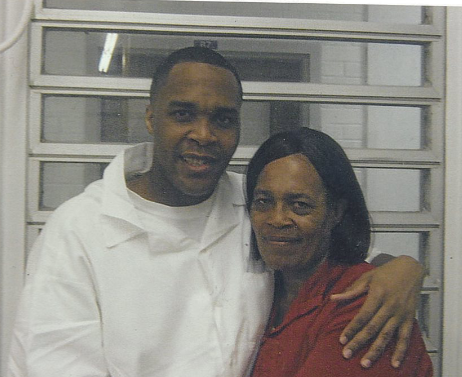
Jeffery Lee was convicted of killing Jimmy Ellis and Elaine Thompson, and wounding Helen King in 1998. There is no question of his guilt, but the jury that convicted him was persuaded to sentence him to life in prison without the possibility of parole, instead of the death penalty, even after hearing only a fraction of the mitigating evidence.
Unfortunately, Alabama was one of just four states at the time that allowed a judge to disregard and override the will of the jury and sentence the defendant to death instead. This practice was barred by the legislature in 2017, but there are more than two dozen individuals on death row who were impacted by this outdated and unjust practice of judicial override.
The Jury Considered Jeffery's Abuse & Childhood Trauma
Jeffery did not grow up in a safe or stable home. He and his siblings pulled toys and even candy out of the local dump. His home did not have electricity or indoor plumbing into the 1980s and '90s.
As a child, he endured severe physical abuse at the hands of his father. His family lived in constant fear. Violence was not an isolated incident; it was a pattern. Jeffery often placed himself between his father and his mother during brutal assaults, trying to protect her from harm.
This was the environment in which Jeffery's brain, judgment, and sense of safety developed: one defined by terror, instability, and survival.
Substance abuse beginning at eight years old.
As a way of coping with the horrors of his home life, Jeffery began abusing substances at the alarmingly young age of eight years old.
He regularly inhaled gasoline, falling into brief reprieves from reality as a result of flooding his body and brain with toxic fumes. Huffing gasoline became Jeffery's regular practice for years, a practice that became so intense his father could smell the fumes on him, and yet no adult intervened.
By the time he was 11, the headaches from huffing gasoline became so unbearable that he needed a different escape, so he turned to alcohol to numb his senses and dull the pain of his reality. What started as a means of escape from fear and pain became its own destructive force.
By the time of the crime, substance abuse compounded the effects of trauma and brain injury.
Traumatic brain injury: the accident that sealed his fate.
As a young man, Jeffery was involved in a serious crash when his car was hit by a tractor trailer, resulting in a traumatic brain injury (TBI). Following the accident, he experienced severe headaches and significant mood changes, symptoms commonly associated with neurological trauma.
Jeffery did not receive the kind of comprehensive medical care or neurological evaluation that such an injury demands. He was left to cope on his own as his symptoms grew in the weeks and months following the accident. Debilitating headaches, severe sensitivity to light and sound, and unpredictable mood swings caused Jeffery to become more isolated and withdrawn, and to seek stronger substances to escape the reality of his daily life.
We are asking Governor Ivey to respect the jury's decision to sentence Jeffery to life in prison without parole.
Sponsored by

To:
Governor Kay Ivey
From:
[Your Name]
I am writing to urge you to respect the will of the jury and spare the life of Jeffery Lee. The outdated and unjust practice of judicial override, which you helped end in Alabama in 2017, has no place in our legal system, but Jeffery Lee's case in tainted by this troubling legacy. I hope you will rectify this injustice by commuting his sentence.
Jeffery's jury was moved by the mitigating evidence and chose to sentence him to life in prison without parole.
Jeffery did not grow up in a safe or stable home. He and his siblings pulled toys and even candy out of the local dump. His home did not have electricity or indoor plumbing into the 1980s and '90s.
As a child, he endured severe physical abuse at the hands of his father. His family lived in constant fear. Violence was not an isolated incident; it was a pattern. Jeffery often placed himself between his father and his mother during brutal assaults, trying to protect her from harm.
This was the environment in which Jeffery's brain, judgment, and sense of safety developed: one defined by terror, instability, and survival.
As a way of coping with the horrors of his home life, Jeffery began abusing substances at the alarmingly young age of eight years old.
He regularly inhaled gasoline, falling into brief reprieves from reality as a result of flooding his body and brain with toxic fumes. Huffing gasoline became Jeffery's regular practice for years, a practice that became so intense his father could smell the fumes on him, and yet no adult intervened.
By the time he was 11, the headaches from huffing gasoline became so unbearable that he needed a different escape, so he turned to alcohol to numb his senses and dull the pain of his reality. What started as a means of escape from fear and pain became its own destructive force.
By the time of the crime, substance abuse compounded the effects of trauma and brain injury.
As a young man, Jeffery was involved in a serious crash when his car was hit by a tractor trailer, resulting in a traumatic brain injury (TBI). Following the accident, he experienced severe headaches and significant mood changes, symptoms commonly associated with neurological trauma.
Jeffery did not receive the kind of comprehensive medical care or neurological evaluation that such an injury demands. He was left to cope on his own as his symptoms grew in the weeks and months following the accident. Debilitating headaches, severe sensitivity to light and sound, and unpredictable mood swings caused Jeffery to become more isolated and withdrawn, and to seek stronger substances to escape the reality of his daily life.
Please respect the will of the jury and commute Jeffery's sentence. Thank you for your consideration.