Houstonians need to be protected from formaldehyde
Texas Commission on Environmental Quality
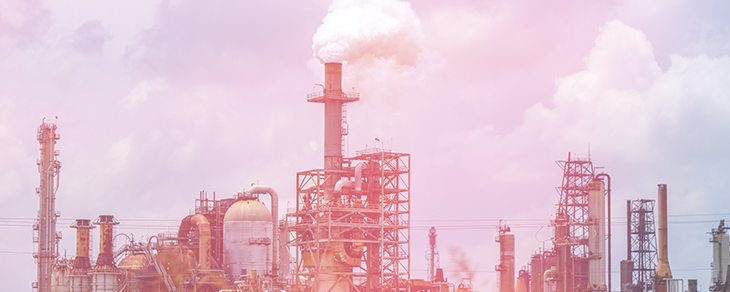
The largest contributor to cancer risk in Houston comes from a gas in the air no one can see.
It’s formaldehyde.
It forms in our air, reacting with other harmful chemicals spewed from plants refining oil or making plastic near our homes and schools, parks and places of worship. Our health depends on our state and federal environmental agencies taking action to reduce the amount of those harmful chemicals. They must act.
A new report from One Breath Partnership in collaboration with the Houston Health Department makes clear the threat. Data show that the highest concentrations of formaldehyde can be found in communities who share fences with the heavily industrial Ship Channel. These communities are primarily Hispanic, and they tend to earn lower incomes on average. And they are exposed not just to formaldehyde, but a dangerous mix of many other pollutants in the air, water and soil, creating an accumulation of burdens that last generations.
It’s hard to save for your children’s future when the air your family breathes keeps sending you to the hospital.
It shouldn’t be this way. It doesn’t have to be this way.
The Texas Commission on Environmental Quality can act. The agency can strengthen its permits and increase its monitoring of chemicals like ethylene and propylene that form formaldehyde. That would keep communities from breathing it, and that would also help our entire region with smog, or ground-level ozone, which formaldehyde helps create. Smog worsens asthma and increases rates of heart attack and ambulance trips, robbing children of time at school and forcing workers to stay home.
The City of Houston alone cannot fight formaldehyde. It’s time to tell our environmental agencies to do their homework and catch up with the threat. No one should have to live with cancer in the air.
Sponsored by

To:
Texas Commission on Environmental Quality
From:
[Your Name]
No one should have to breathe air in their community that can cause cancer.
TCEQ must act on the conclusions and recommendations in the new report from One Breath Partnership in collaboration with the Houston Health Department. The agency must make sure it’s doing everything in its power to reduce the release of chemicals that form formaldehyde.
This is an issue of public health. The report concludes that formaldehyde is the heaviest driver of increased cancer rates in Houston.
It is also an issue of environmental justice, since the highest concentrations of formaldehyde are found in communities near the Ship Channel. These communities — largely Hispanic, with lower average incomes — are also exposed to higher concentrations of other carcinogenic chemicals, like 1,3-butadiene, and pollutants like nitrogen dioxide and black carbon from scores of diesel-powered trucks and equipment.
There are important actions to take. TCEQ should examine the strength of its permits for the chemicals that form formaldehyde, like ethylene and propylene. TCEQ must then enforce those permits with more inspections and increased monitoring to hold accountable the many facilities in the greater Houston region.