Let’s Tell NC Regulators, Not One Step Back on Fracking!
NC Oil & Gas Commission
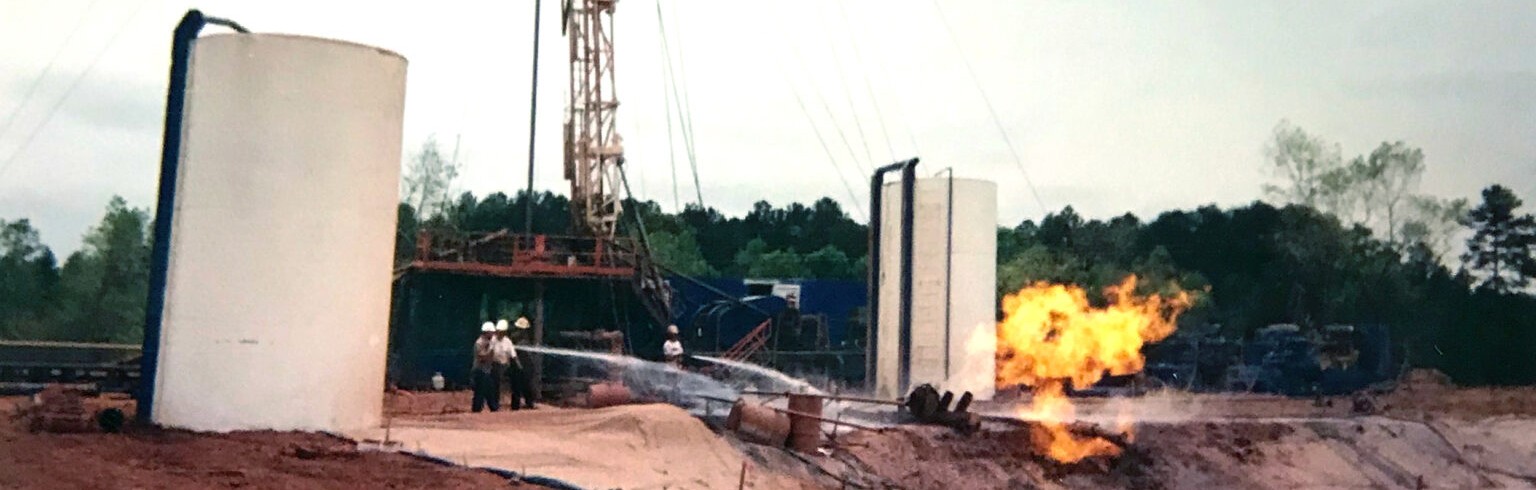
The NC Oil & Gas Commissioners are the regulators who write our state rules on fracking. Over 10 years ago, thousands of North Carolinians from across the state weighed in on fracking before these rules were put into place. While passing a complete ban on fracking wasn’t realistic with the veto-proof legislative majority favoring fracking, these rules are stronger than in many other states.
North Carolina is still frack free. This is most likely due in large part to our strong rules. For example, the requirement for pre- and post-testing of any water supply wells within 1/2 mile of a frack site and for “presumptive liability”, which puts the burden on the driller to prove that any well contamination was not due to fracking. In addition, a US Geological Survey report showed limited gas resources in NC. Our strong rules combined with the US Geological Survey report have likely served as strong deterrents to the fracking industry.
Now, those Oil and Gas rules are up for review.
At least one Commissioner has stated an intention to weaken the rules, to make them more similar to states like Pennsylvania, which have “lots of (fracking) activity”.
Right now, a public comment period is open where you can weigh in on whether NC’s fracking rules are “necessary” or “unnecessary”. These rules are VERY necessary. We can’t afford to have NC’s fracking rules weakened in any way!
Please sign this petition to tell the regulators on the NC Oil & Gas Commission: NOT ONE STEP BACK ON FRACKING!
This petition is the first step. We’ll let you know about public opportunities, including hearings and comment periods, to weigh in on these rules.
Sponsored by
To:
NC Oil & Gas Commission
From:
[Your Name]
Dear NC Oil and Gas Commissioners,
Over 10 years ago, thousands of North Carolinians weighed in on the rules governing fracking in our state. Their concerns included air, water, and land pollution, health impacts, and the unique, shallow geology in North Carolina that puts our groundwater at risk, making our state an even more dangerous place to frack.
As a result, the final 15A NCAC 05H rules have many protective provisions within them, all of which are necessary to protect North Carolinians from the impacts of fracking. These rules must remain at least as protective as they are, and in some key areas, should be strengthened.
During the more than a decade that has passed since the rules were adopted, we have learned a great deal more about the negative effects of fracking. Among the many health effects studied, we now know that cancers like leukemia and lymphoma are more likely among children living near fracking operations.1 Other health impacts, like increased respiratory ailments have been documented through research.2 Drinking water well contamination is common.3 With increased horizontal drilling, the vulnerable areas are widened.
The public has access to a considerable body of scientific evidence and we are grateful that NC’s circumstances and protections have worked to give us more time to study the impacts in other states and prevent those harms in our state. The Oil and Gas Commission must rely on scientific evidence and the accumulated experience from the past 10 years of fracking to prevent those harms. The economic interests of the fracking industry cannot be given priority over the health and safety of our citizens and our environment. The Oil and Gas Commission must seek to prevent those harms to health and the environment, and be accountable to the public.
Yours sincerely concerned,
Citations
1.) Talbott EO, Arena VC, Wang R, et al. Cumulative Exposure to Unconventional Natural Gas Development and the Risk of Childhood Cancer: A Registry-Based Case-Control Study. Int J Environ Res Public Health. 2025;22(1):68. Published 2025 Jan 7. doi:10.3390/ijerph22010068
2.) Aker AM, Friesen M, Ronald LA, et al. The human health effects of unconventional oil and gas development (UOGD): A scoping review of epidemiologic studies. Can J Public Health. 2024;115(3):446-467. doi:10.17269/s41997-024-00860-2
3.) Hill EL, Ma L. Drinking water, fracking, and infant health. Journal of Health Economics. 2022; 82. doi:10.1016/j.jhealeco.2022.102595