NC Needs More Effective Guidelines to Reduce Food Waste in Schools
North Carolina Department of Public Instruction and North Carolina Department of Health and Human Services
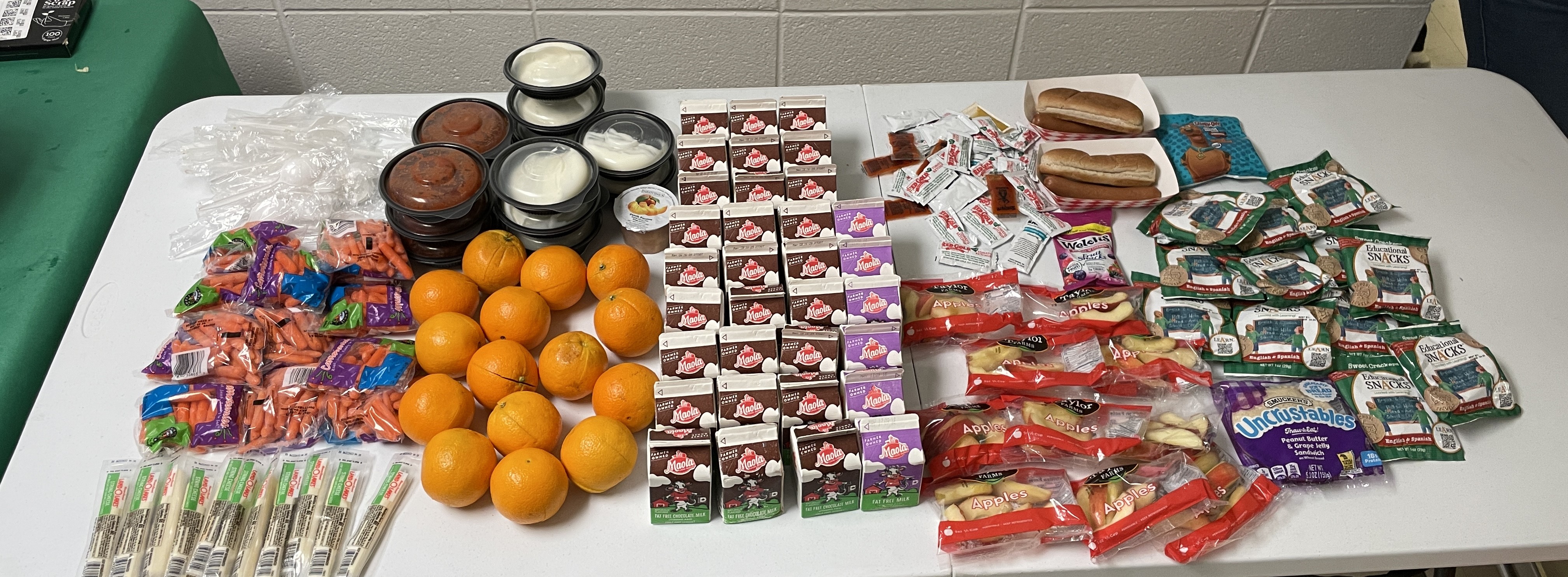
Every day in North Carolina schools, hundreds of thousands of unpeeled and unopened food items are discarded in our cafeterias, despite the fact that 1 in 5 children in our state face food insecurity (Feeding America, 2025). This waste is not only heartbreaking, but entirely unnecessary. You can help us request a change!
Sharing tables are identified spots in school cafeterias where students can donate approved items they have not opened and do not want to eat, rather than throwing them away. In some situations these foods are made available to any student in the school as snacks. In others, they are donated to community food pantries. Share tables are considered an “innovative strategy to encourage the consumption of nutritious foods and reduce food waste” by the U.S. Department of Agriculture (USDA, 2016).
Sharing table guidelines from the NC Department of Public Instruction (NC DPI) allow for the sharing of some packaged foods, but recommend that Time/Temperature Control for Safety (TCS) foods (e.g. milk and yogurt) “are not allowed”. Additionally, many school districts have found the guidelines prohibitive, and have thus decided to not implement sharing or donation programs of any kind. See NC DPI’s Hazard Analysis Critical Control Points (HACCP) food safety plan for more info.
Toward Zero Waste, and other food waste and food recovery partners across the state, want to see all schools in NC supported in implementing effective sharing table programs AND have the guidance to safely recover unopened milk, cheese and yogurt. With appropriate guidance from our state agencies, schools can collect hundreds of pounds of nutritious food each week that would otherwise be thrown away. Other states, including South Carolina and Virginia, have successfully implemented similar programs without increasing costs or safety risks. It’s time for North Carolina to follow their lead.
We ask that the NC Department of Public Instruction (NC DPI) and the NC Department of Health and Human Services (NC DHHS) adjust the HACCP to provide support and guidance for the safe and effective collection, storage and redistribution of unopened and unpeeled items, including dairy/TCS foods, through school-based food recovery programs, like SHARE.
This change can and must happen for the 2026–2027 school year.
Petition by

To:
North Carolina Department of Public Instruction and North Carolina Department of Health and Human Services
From:
[Your Name]
I am writing to urge the North Carolina Department of Public Instruction (NC DPI) and the North Carolina Department of Health and Human Services (NC DHHS) to adjust the state’s share table guidelines (in the 2025 HACCP) to support the safe collection, storage and redistribution of unpeeled and unopened items, including milk, cheese, and yogurt, through school-based food recovery programs, like SHARE in Wake County.
Currently, hundreds of thousands of unopened and unpeeled food items are discarded in our school cafeterias, despite the facts that 1 in 5 children in North Carolina are facing food insecurity (Feeding America, 2025) and 30% of school food waste is dairy (NC DEQ, 2024). This is a needless amount of both nutritious food and taxpayer money being sent to our landfills.
The success of the SHARE program in Wake County, which safely redistributes currently approved, non-dairy, food items to students in need, showcases the potential of enhanced school food recovery programs throughout our state.
Expanding school food recovery opportunities to include dairy would:
Reduce food waste and align with the national 2030 Food Waste Reduction Goal.
Provide supplemental meals to students facing hunger.
Save schools money by reducing waste disposal costs.
Support NC’s child nutrition and sustainability priorities.
NC's sharing table guidelines currently state it is best practice guidance to not allow dairy/TCS collection, but this can and should be changed.
Other states, including South Carolina and Virginia, have successfully implemented similar programs, without compromising safety or increasing costs. We urge NC DPI and NC DHHS to prioritize this change for the 2026–2027 school year.
Thank you for your time and commitment to reducing child hunger and food waste in North Carolina.