STOP AB 1740 — Don’t Let Santa Monica’s Coast Become an Experiment
Assemblymember Rick Chavez Zbur; Assemblymember Isaac G. Bryan, Chair, Assembly Committee on Natural Resources; Assemblymember Matt Haney, Chair, Assembly Committee on Housing and Community Development; Assemblymember Buffy Wicks;
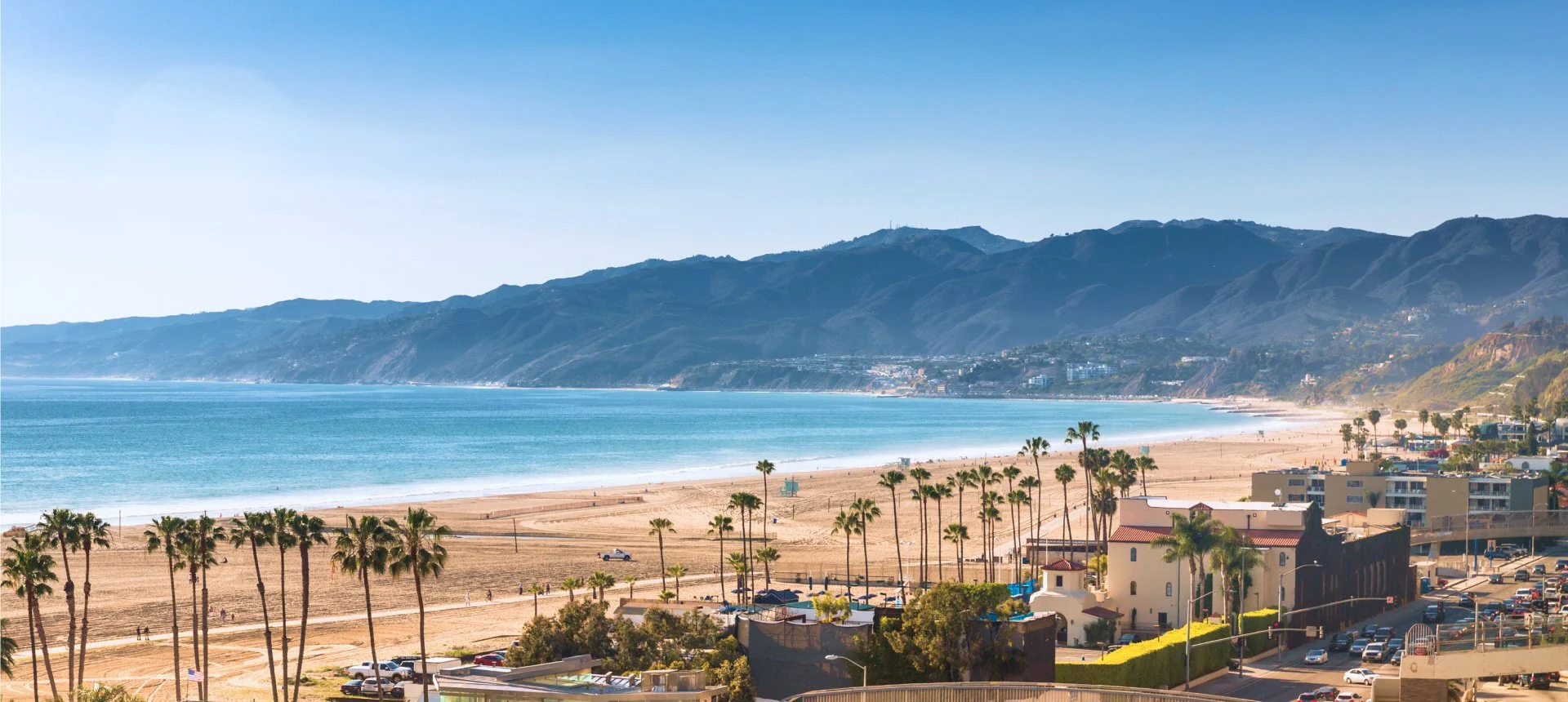
Santa Monica Beach Is Among the Most Polluted in California. This Is Not the Time to Reduce Oversight.
California is about to remove independent environmental oversight from one of its most stressed coastlines.
AB 1740 would remove independent California Coastal Commission review from Santa Monica's coastal zone and hand permitting authority to a local framework that has never been certified under the Coastal Act. We are asking the Assembly Committees on Natural Resources and Housing and Community Development to hold this bill.
Just Santa Monica. No one else.
What AB 1740 Would Do
Strip Coastal Commission review from Santa Monica's coastal zone. Hand full approval authority to the City. Apply to a coastal zone with chronic pollution and aging infrastructure. And do all of it without a certified coastal plan in place.
What They Are Not Saying
Santa Monica Beach is already repeatedly flagged for bacterial contamination, including on sunny days with no rain. It is still absorbing toxic runoff from the January 2025 Palisades Fire. Its water and sewer systems are 60 to 100 years old and under emergency rehabilitation.
This is not a clean slate. It is a system already under pressure.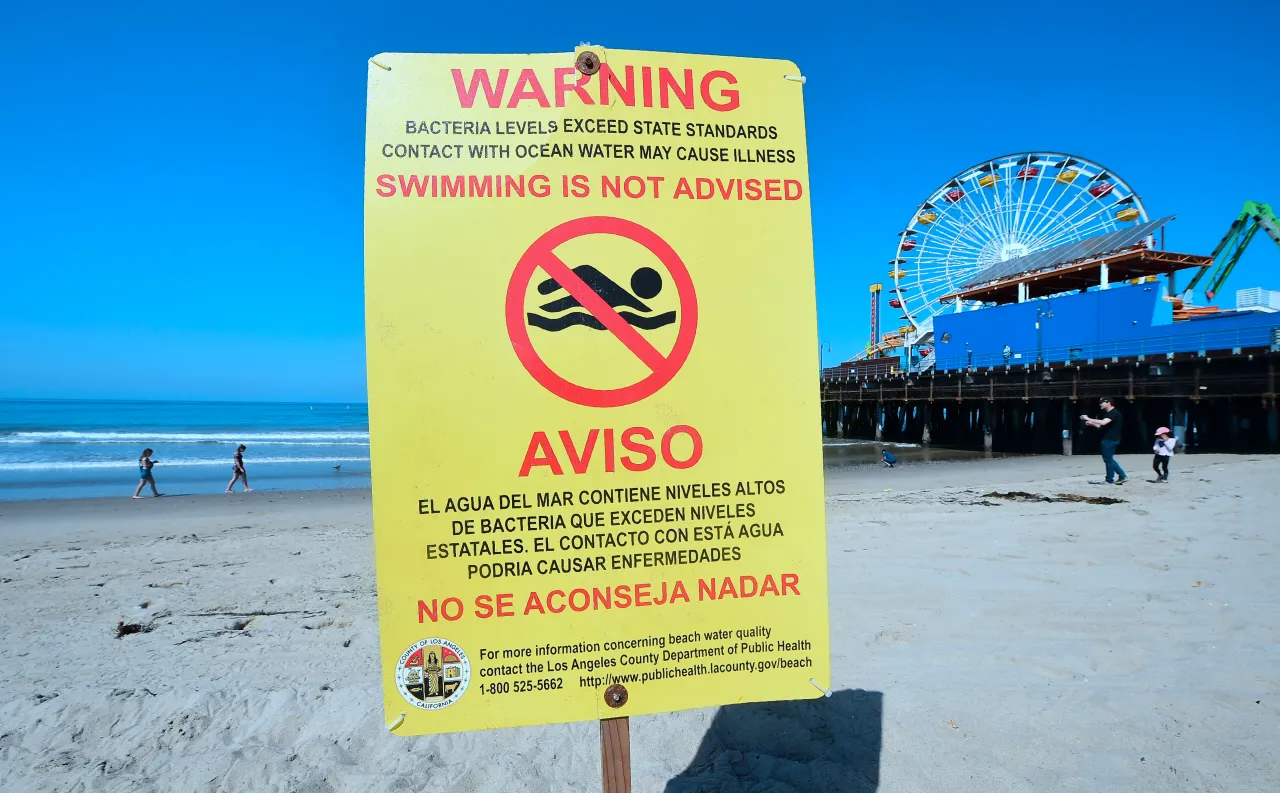
This Bill Removes the Only Independent Check
The Coastal Commission exists for one reason: to protect the coast from decisions made too quickly, too locally, or without science. AB 1740 removes that check. In one city. At the exact moment it is needed most.
Here Is What Is Happening Right Now on This Coastline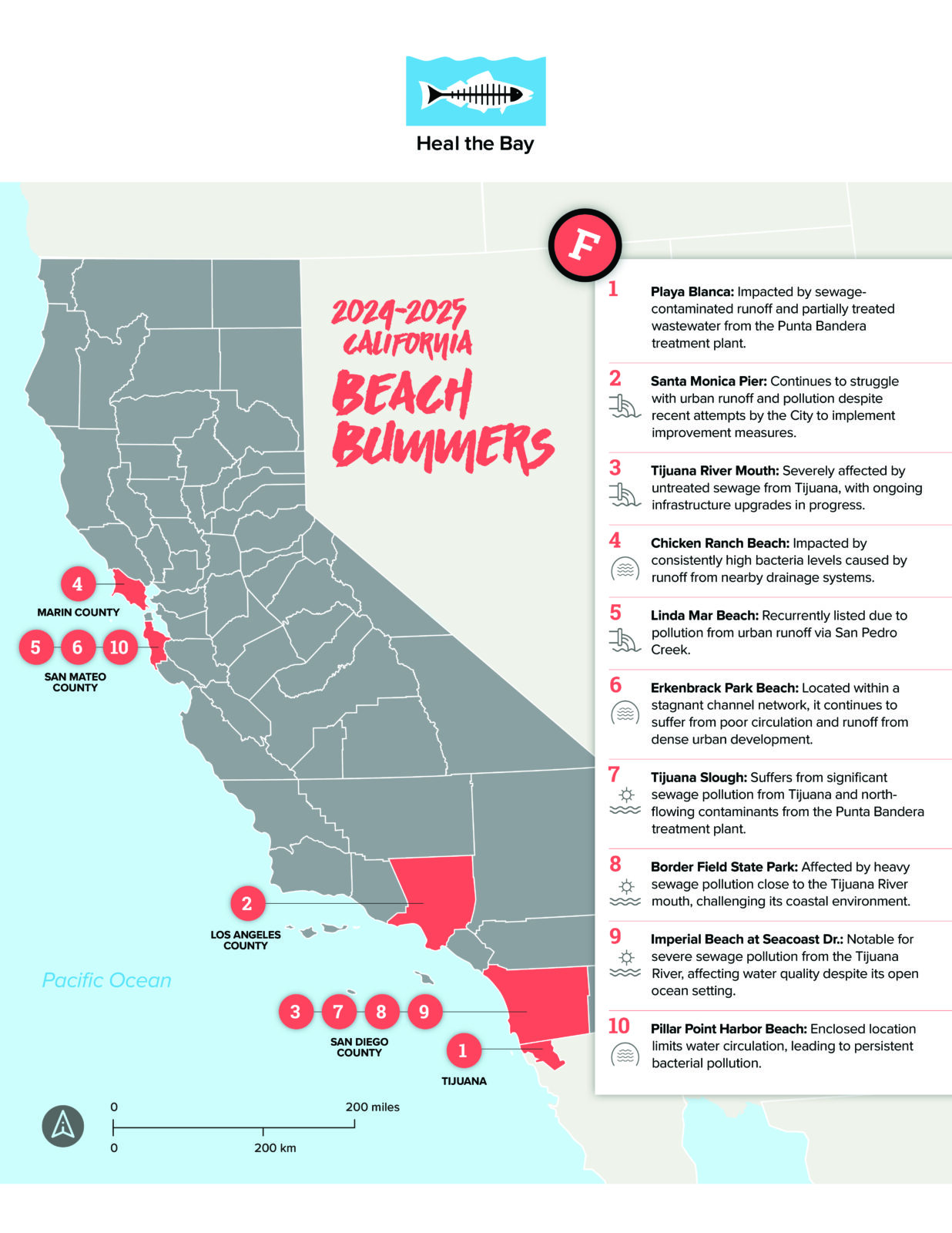
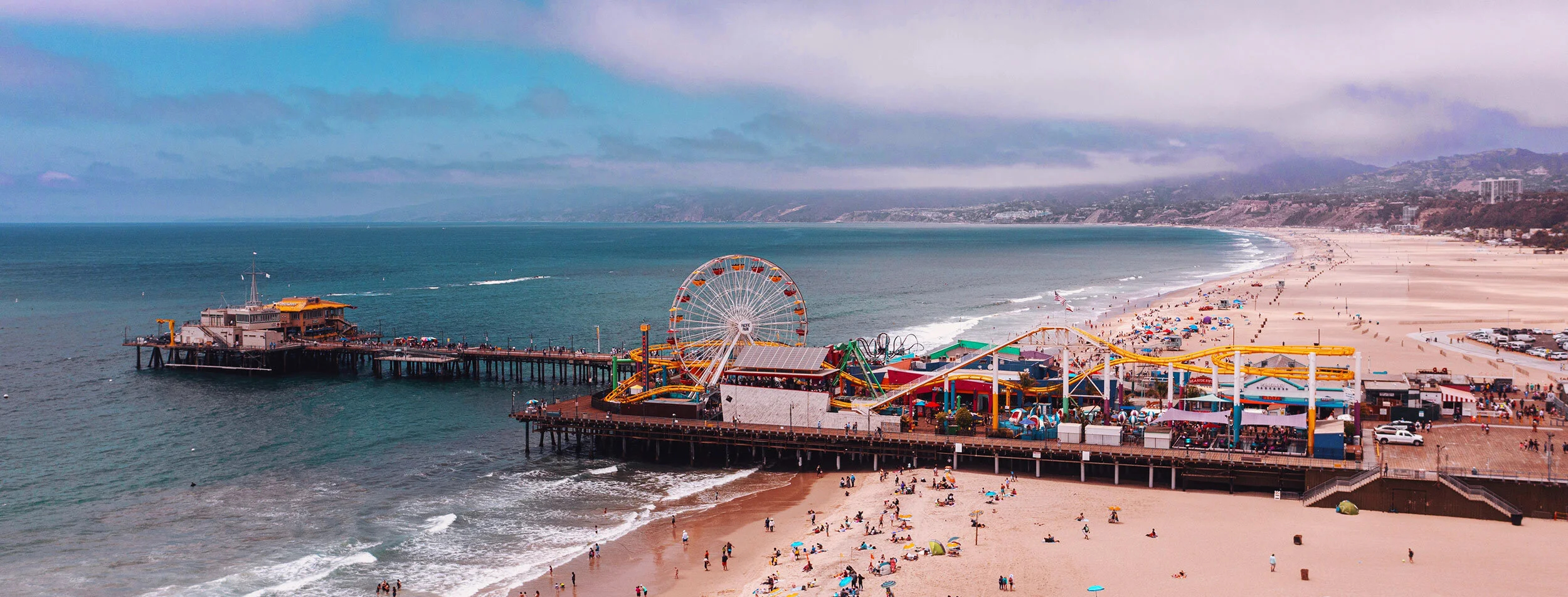
Santa Monica Pier ranked second on Heal the Bay's statewide list of most polluted beaches. Dry-weather water quality advisories, meaning contamination with no rain to blame, have been issued repeatedly at the pier, the Pico-Kenter storm drain, and multiple beach locations, including as recently as April 20, 2026. The pier has received this designation for years, and conditions have not improved despite sustained remediation efforts.
The City adopted 12 percent annual water and sewer rate increases to fund emergency rehabilitation of reservoirs between 60 and 100 years old. Its own public works policy acknowledges that new development risks sanitary sewer overflows. In a coastal city, that means untreated wastewater in the ocean.
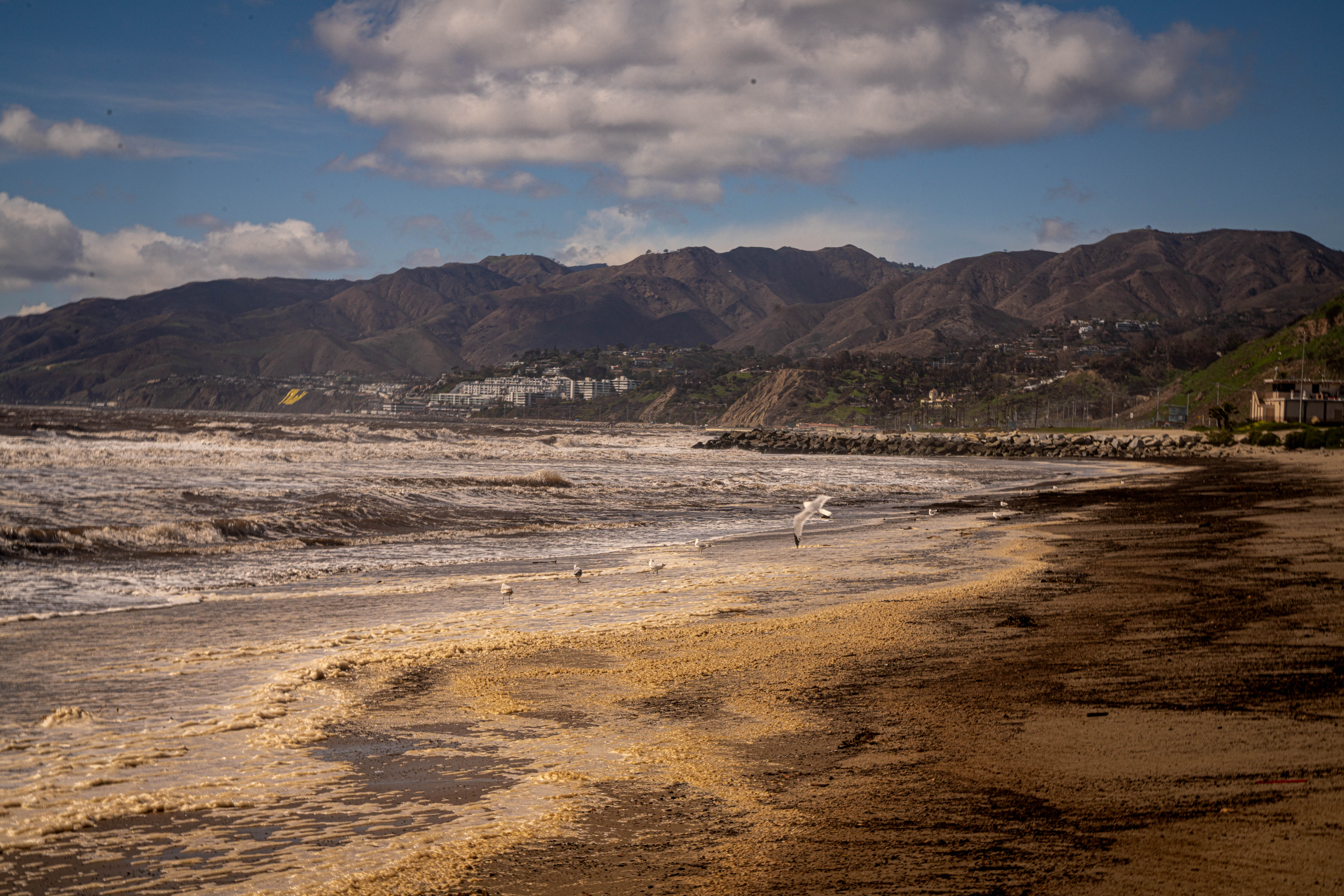
Post-fire testing following the January 2025 Palisades Fire found elevated levels of metals andtoxic compounds in Santa Monica Bay, including lead, arsenic, and polycyclic aromatic hydrocarbons exceeding water quality standards The findings indicated continued risk to marine organisms due to bioaccumulation within the food chain. Debris and contaminated materials continue to move through the nearshore environment.
Santa Monica does not have a certified Local Coastal Program Implementation Plan. The Coastal Commission's certification process is how the state verifies that a local government's rules actually meet Coastal Act standards before handing over permitting authority. AB 1740 would expand local authority before that verification has occurred.
Updated fire hazard maps from March 2025 designated parts of Santa Monica as Very High fire hazard for the first time. During the Palisades Fire, PCH was closed past Lincoln and most of the city funneled through three freeway exits. The bill authorizes parking and street reconfigurations in these same areas without Coastal Commission review.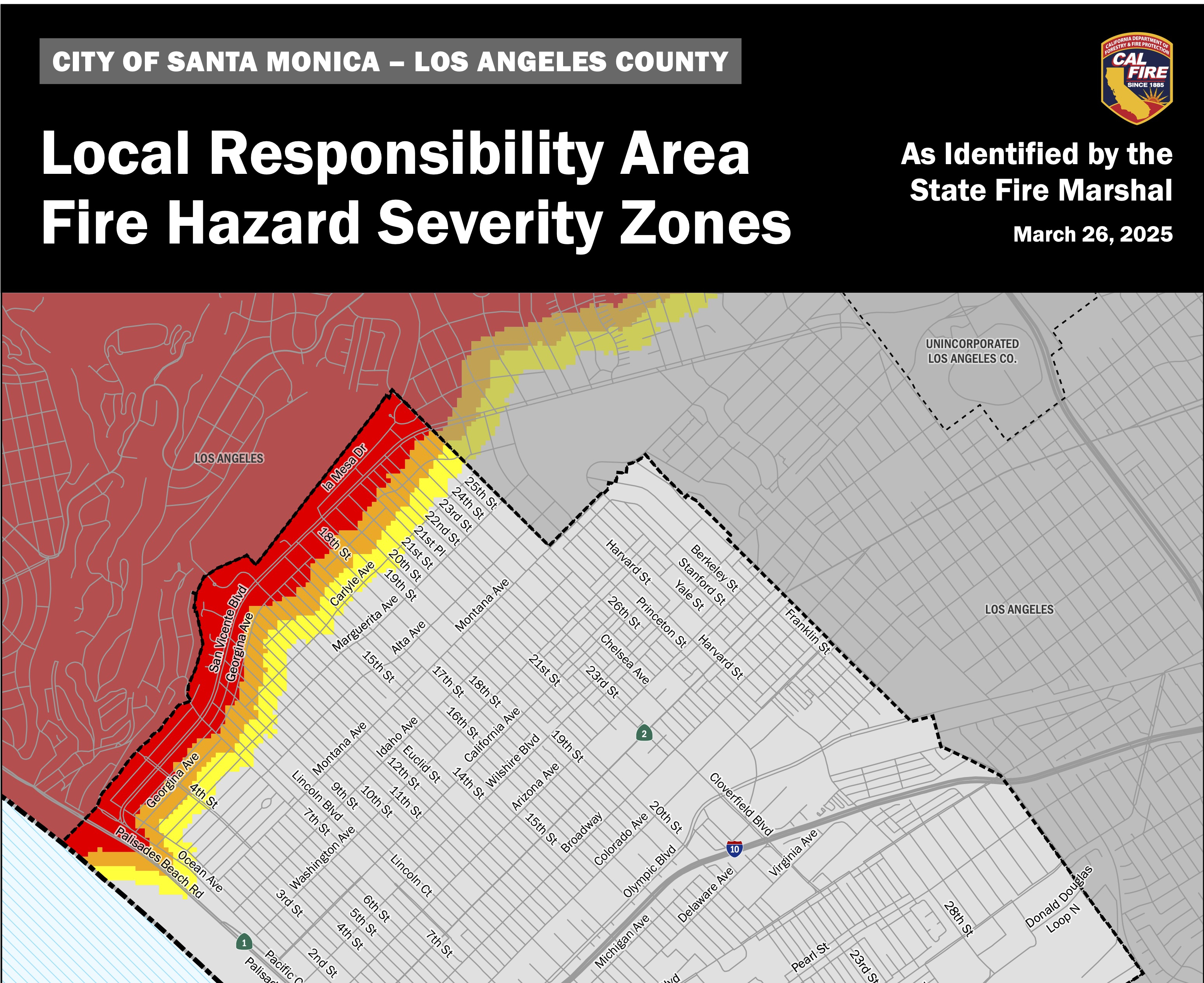
A polluted coast is not a public coast.
The Coastal Act was passed by a broad coalition of working families and communities who had watched private interests take over public beaches. A contaminated and overburdened coastline is not an accessible coastline. The people most harmed when water quality fails and infrastructure buckles are those with the fewest alternatives. Protecting this coast is not about stopping growth. It is about ensuring the coast remains worth having.
This Is a Special Carve-Out for One City
As amended on April 15, 2026, AB 1740 was converted from a general coastal permitting reform into a special statute applying only to Santa Monica. Every other coastal community in California will continue to operate under existing Coastal Commission oversight. Santa Monica alone would be removed from that framework, and the City Council never held a public vote or a dedicated public hearing before co-sponsoring the bill.
This Is About Access for Everyone
The Coastal Act was passed by a broad coalition of working families and communities who had watched private interests take over public beaches. A contaminated and overburdened coastline is not an accessible coastline. The people most harmed when water quality fails and infrastructure buckles are those with the fewest alternatives. Protecting this coast is not about stopping growth. It is about ensuring the coast remains worth having.
We Are Asking the Committees to Hold AB 1740.
Sign this petition to send a message directly to the Assembly Committee chairs and the bill's author. Tell them: do not remove independent Coastal Commission oversight from Santa Monica's coastal zone. The environmental and public safety record speaks for itself.
Petition by

Sponsored by
To:
Assemblymember Rick Chavez Zbur; Assemblymember Isaac G. Bryan, Chair, Assembly Committee on Natural Resources; Assemblymember Matt Haney, Chair, Assembly Committee on Housing and Community Development; Assemblymember Buffy Wicks;
From:
[Your Name]
Dear Assemblymember,
I am writing to urge you to oppose AB 1740 (Zbur) and to ask the Assembly Committees on Natural Resources and Housing and Community Development to hold this bill.
As amended on April 15, 2026, AB 1740 has been converted into a special statute that would remove independent California Coastal Commission oversight from Santa Monica's coastal zone, while every other coastal community in California continues operating under existing Coastal Act protections. It does so before the City of Santa Monica has obtained certification of its Local Coastal Program Implementation Plan, which is the standard process through which the state verifies that local rules meet Coastal Act requirements.
This is the wrong moment for this change. Santa Monica Pier has ranked among California's most polluted beaches for years and received a dry-weather water quality advisory as recently as April 20, 2026. Post-fire contamination from the January 2025 Palisades Fire, including metals and polycyclic aromatic hydrocarbons, is still being monitored in Santa Monica Bay.
The City is in the middle of emergency rehabilitation of aging water and sewer infrastructure, funding it through 12 percent annual rate increases, and has acknowledged in its own public works policy that new development risks sanitary sewer overflows into the ocean. Updated CAL FIRE maps now designate portions of Santa Monica as Very High fire hazard for the first time.
The Coastal Commission maintains the scientific and legal expertise to evaluate these conditions independently. Removing that layer of review does not resolve any of these problems. It removes the mechanism by which they are assessed before development is approved.
The City Council did not hold a public vote or a dedicated public hearing before co-sponsoring this bill. Residents, environmental organizations, and community stakeholders did not have a meaningful opportunity to engage before the City's position was advanced to the Legislature.
I am asking you to hold AB 1740. The environmental and public safety record for this coastline makes the case clearly.
Respectfully,
This petition is organized by The Coastal Alliance, a nonprofit marine conservation and coastal protection organization based in Santa Monica, California. By signing, you authorize The Coastal Alliance to share your name, city, state, and email address with the petition targets and to add you to The Coastal Alliance email list. You may unsubscribe at any time. This petition represents issue advocacy on a matter of public environmental concern and is not affiliated with any political campaign or candidate.