We Protect Lake Auburn Petition
Auburn City Council
This is a NEW petition launched 9/1/22.
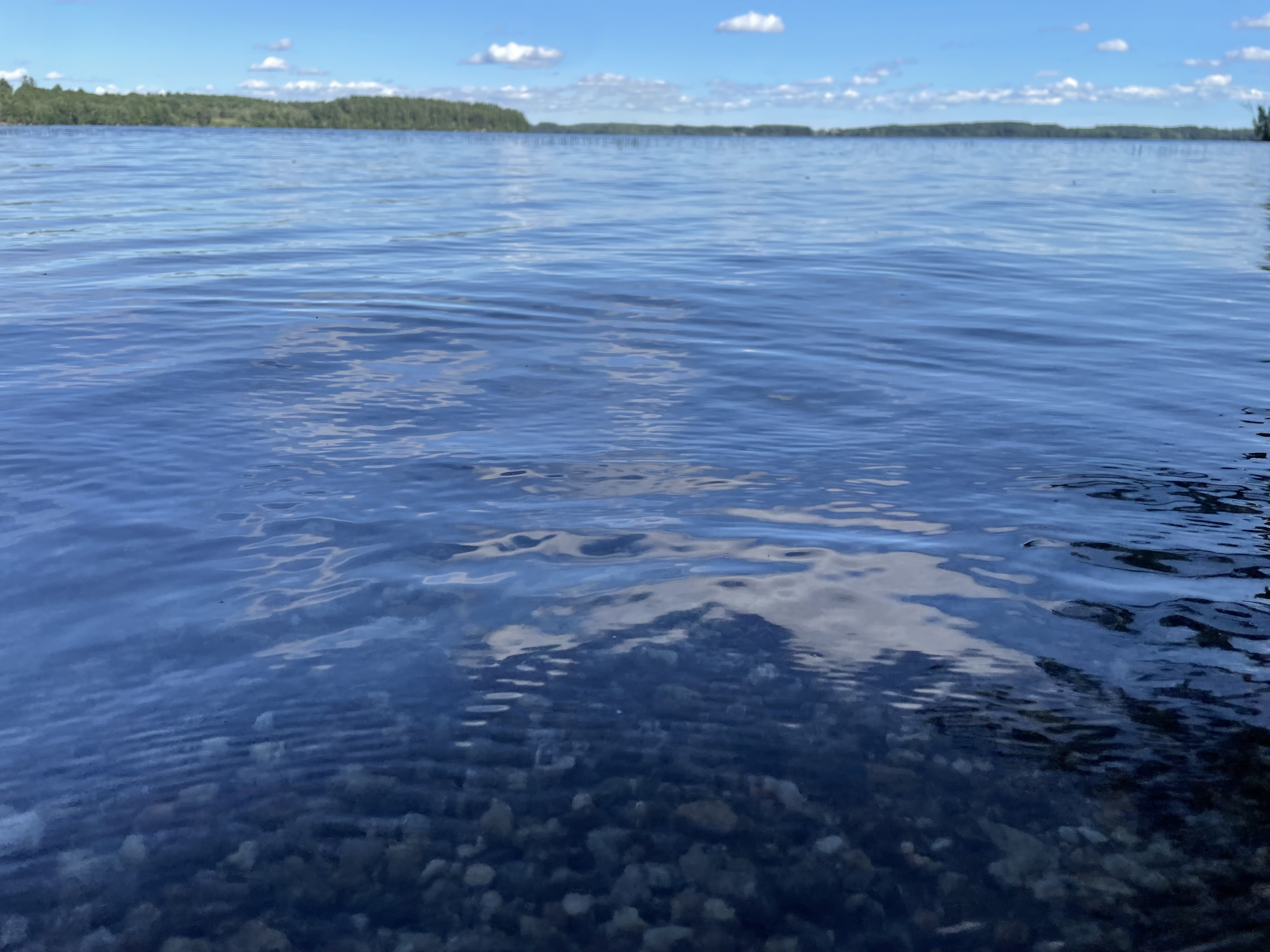
Lake Auburn is the single source of public drinking water for the cities of Auburn and Lewiston, and a source of water for the town of Poland. Due to the high quality of water in Lake Auburn, the municipalities have maintained a filtration waiver from the EPA – one of only a handful left in the country – which prevents local taxpayers from having to shoulder the costs of an expensive water filtration plant. This could all change. Scientists who monitor Lake Auburn tell us the lake’s water quality is in danger of losing the filtration waiver, and that it is threatened by both runoff from existing development, and by Auburn’s recent and proposed ordinance and land use changes in the watershed.
These proposed major ordinance and land use changes in the watershed are concerning because many questions remain about the impact these decisions will have on the health of Lake Auburn and public water quality and affordability – now and for future generations. Presently, thanks to the filtration waiver, Auburn, Lewiston, and Poland’s public water rates are among the lowest in the state — less than half of what is charged in many places in Maine. The proposed ordinance changes could pollute the lake and trigger the loss of the filtration waiver. Water ratepayers in Auburn, Lewiston, and Poland could see rates more than double (x2), and all taxpayers would see tax bills rise. Auburn City Council has power to protect the lake in the short term through local legislative processes.
Please add your voice to the growing list of concerned and impacted residents demanding that Auburn City Council make sound decisions for the health of Lake Auburn, for public water quality and affordability, and for our community. We believe a majority of the City Council will make the right decisions if enough people demand it.
Who can sign? Anyone! Though signatures from residents of Auburn, Lewiston, and Poland are most needed.
Sponsored by

To:
Auburn City Council
From:
[Your Name]
We the undersigned, petition Auburn City Council as follows:
Lake Auburn is the single source of public drinking water for the cities of Auburn and Lewiston, and a source of water for the town of Poland. Due to the high quality of water in Lake Auburn, the municipalities have maintained a filtration waiver from the EPA – one of only a handful left in the country – which prevents local taxpayers from having to shoulder the costs of an expensive water filtration plant. This could all change. Scientists who monitor Lake Auburn tell us the lake’s water quality is in danger of losing the filtration waiver, and that it is threatened by both runoff from existing development, and by Auburn’s recent and proposed ordinance changes in the watershed. There are two major recent and proposed changes to the watershed currently facing decision points before city council. The complexity of the issues include scientific studies, state legislative actions, local land use planning decisions which have not been thoroughly vetted before rushing forward decisions that could permanently impact the public water supply. The scientific studies on which the proposed actions are based are inadequate.
Lake Auburn should be as protected as possible. The residents of Auburn, Lewiston, and Poland – now and for generations to come – have a right to safe and affordable drinking water. Decisions that could permanently impact the health of Lake Auburn and the affordability of the public drinking water supply should not be made without a reasonable understanding of the impacts.
We are calling on the Auburn City Council to:
1. Send the Gracelawn (Protect Lake Auburn) petition to referendum and let the citizens of Auburn have a voice. This petition was signed by over 2,000 Auburn citizens to reverse a City Council decision that removed 148 acres along Gracelawn Road (immediately adjacent to Lake Auburn) out of what is considered “Watershed Protection” and into a “General Business” zone.
2. Table the vote on a new proposed septic ordinance which includes a provision that would allow nearly 100 new lots in the watershed to be developed, until more comprehensive information is known about the implications it would have on maintaining the filtration waiver, including the implications of LD 2003 which is set to take effect in July 2023.