Support Connecticut Renewable Energy Policy
Governor Ned Lamont
Governor Lamont has announced a goal of 100% clean energy by 2040. Sign on to this letter urging the Governor to pursue that goal aggressively. The letter with signatures will be delivered during the first week of December 2019.
Sponsored by

To:
Governor Ned Lamont
From:
[Your Name]
The Honorable Governor Ned Lamont
Connecticut State Capitol
Hartford, CT 06106
Dear Governor Lamont:
We join with the Connecticut Roundtable on Climate and Jobs and other allies to express our strong support for your recent executive order expanding the scope and membership of the Governor’s Council on Climate Change while directing the CT Department of Energy and Environmental Protection (DEEP) to “analyze pathways and recommend strategies for achieving a 100% zero carbon target for the electric sector by 2040.”
Many of us attended the CT Forum’s event on the Climate Crisis, where the panelists stressed the urgency of the crisis we face and the imperative for bold action. We are pleased that your Administration has responded to the challenge by articulating this vision of a zero-carbon electric sector. A decarbonized electric grid is the foundation for deeper reductions in economy-wide emissions, as our state shifts away from dependence on fossil fuels for transportation and for heating buildings.
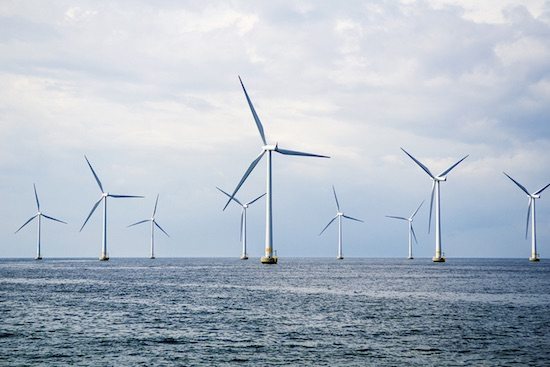
This year’s commitment to 2000 MW of new offshore wind energy by 2030 (which would satisfy roughly a third of the state’s current power needs) is a significant step forward that will also bring local jobs and economic development. But to achieve the vision of carbon-free electricity by 2040, Connecticut must continue increasing investment in clean energy resources and new battery storage technologies while also halting investments in new fossil fuel infrastructure. If we are going to succeed in protecting the climate, we cannot afford to waste resources on infrastructure that does not contribute to that goal.
At the same time, Connecticut must strengthen its commitment to energy efficiency programs with secure funding and more ambitious annual savings goals, ensuring that the programs reach low-income residents who have the greatest need for energy savings. By reducing our electricity demand, we can reduce the investment needed in new generating capacity.
And the good news is that all of these investments in clean energy and energy efficiency will foster local economic development and jobs. We can put people to work protecting the climate!
Thank you for strengthening Connecticut’s leadership in addressing the climate crisis. This is the defining global challenge of our time, and it is imperative that Connecticut join other states in taking bold action.