Stop Trump’s Dangerous Expansion of Glyphosate Production
U.S. President Donald Trump
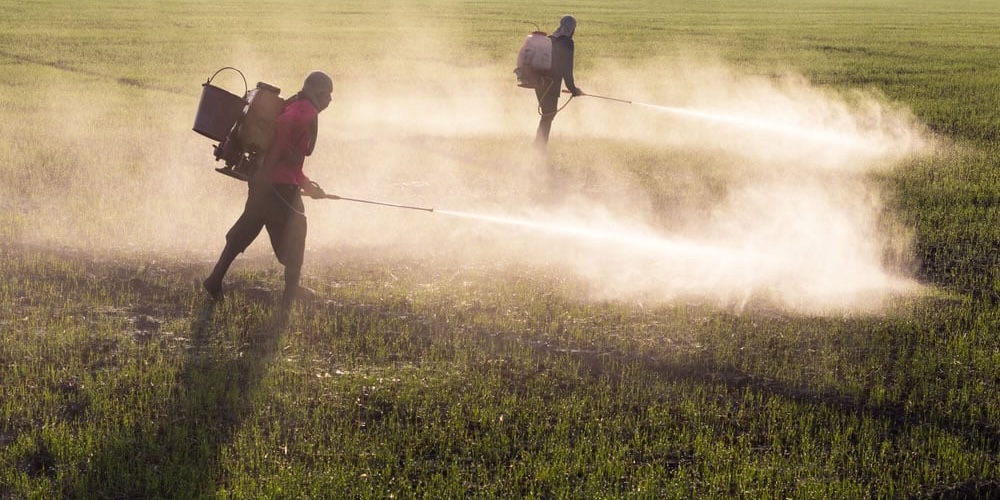
Monarch butterflies are disappearing. Farmworkers and rural families are facing increased exposure to a chemical linked to cancer. And while dozens of countries around the world have already moved to ban or severely restrict glyphosate because of the risks it poses to people and wildlife, the United States is moving in the opposite direction.
Both crises share a common cause: the widespread use of glyphosate.
Now Donald Trump is escalating the threat.
In a stunning move, Trump invoked the Defense Production Act — a wartime emergency authority — to ramp up domestic production of glyphosate, one of the most controversial and heavily debated weedkillers in the world.
This decision puts people and wildlife directly in harm’s way.
The World Health Organization’s cancer research arm has classified glyphosate as a probable human carcinogen. Thousands of Americans — including farmworkers, groundskeepers, and home gardeners — have filed lawsuits alleging that exposure to glyphosate-based products caused their cancer. Families living near heavily sprayed agricultural fields face disproportionate risks.
At the same time, glyphosate is devastating ecosystems.
It doesn’t just kill “weeds.” It destroys the native plants that butterflies, bees, and birds rely on for survival. Monarch caterpillars can eat only one plant: milkweed. Widespread glyphosate use has helped erase millions of acres of milkweed from farmland across the country.
No milkweed. No monarchs.
And the damage reaches even further. The Environmental Protection Agency’s own draft biological evaluation found that glyphosate is likely to adversely affect more than 90 percent of species protected under the Endangered Species Act — including birds, mammals, fish, plants, and insects already on the brink of extinction. In other words, this single chemical threatens the survival of nearly every endangered species in the United States.
Runoff from sprayed fields contaminates streams and wetlands, threatening fish and amphibians. Repeated applications degrade soil health and weaken the very ecosystems that sustain our food system. Pollinators — already in alarming decline — lose even more habitat with every spray cycle.
Instead of moving toward safer, regenerative agricultural practices, Trump is doubling down on chemical-intensive farming — and invoking emergency powers to justify it.
The real emergency isn’t a shortage of herbicides.
It’s biodiversity collapse and rising cancer risks.
Donald Trump must rescind this reckless order immediately.
Tell the White House: Stop boosting glyphosate production. Protect farmworkers, protect monarch butterflies, and protect our families’ health.
_______
Sources:
CNBC | Trump order pushes glyphosate production; Roundup chemical hated by MAHA
C&EN | Glyphosate likely harms nearly all endangered species
Sponsored by

Additional Sponsors


To:
U.S. President Donald Trump
From:
[Your Name]
Rescind the Order Expanding Glyphosate Production
I strongly oppose your decision to invoke the Defense Production Act to expand domestic production of the weedkiller glyphosate.
The Defense Production Act exists to address genuine national security emergencies — not to promote increased manufacturing of a chemical linked to serious health and environmental risks. Glyphosate has been classified as a probable human carcinogen by the World Health Organization’s cancer research arm, and thousands of Americans have filed lawsuits alleging it caused their cancer.
Expanding glyphosate production also threatens wildlife and fragile ecosystems. This herbicide destroys native plants that pollinators and birds depend on, and its widespread use has contributed to the decline of monarch butterflies by eliminating milkweed habitat. Runoff can contaminate streams and harm aquatic species, while repeated use damages soil health. The EPA has found that it threatens the survival of nearly every endangered species in the United States.
Many nations have moved to ban or restrict glyphosate because of these dangers. The United States should be leading the transition to safer, more sustainable agricultural practices — not doubling down on chemical-intensive farming.
I urge you to rescind this order and instead invest in farming solutions that protect public health, support biodiversity, and safeguard our food system for future generations.