Stronger Planning for Climate
Island County Commissioners and Planning Department
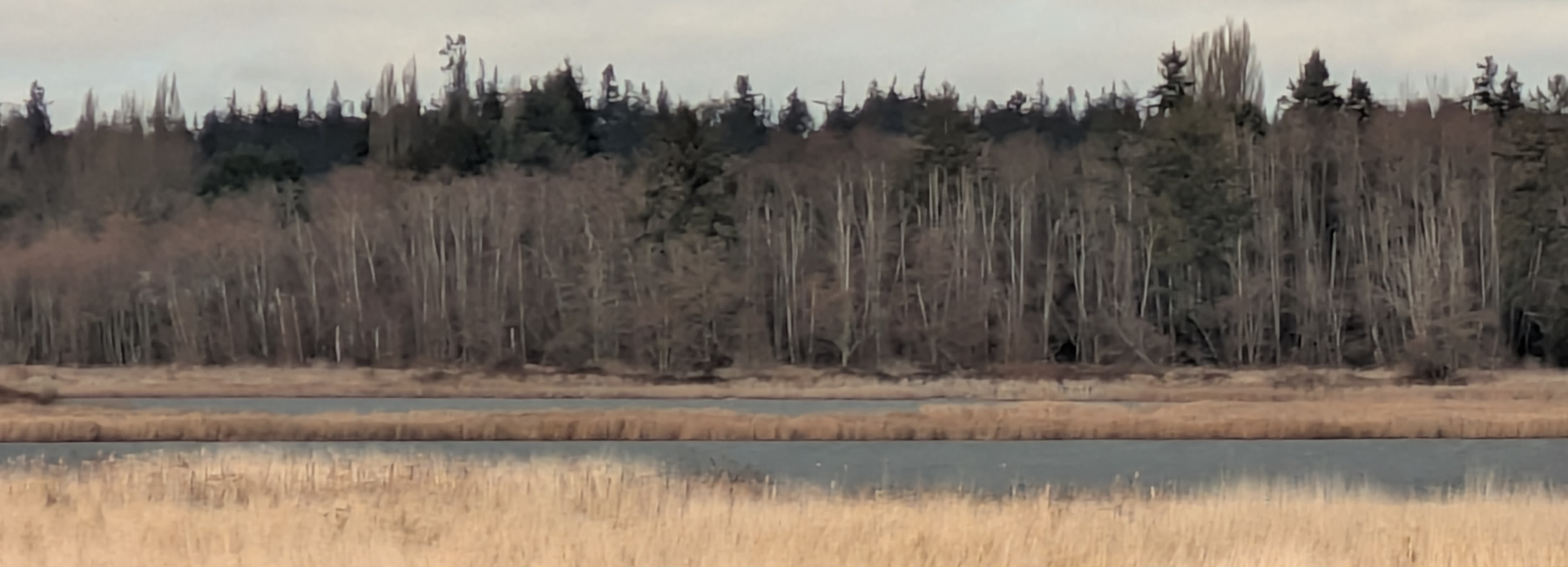
Increasing global heating, habitat destruction, and biodiversity loss make it imperative that Island County adequately addresses issues of climate change in the Island County 2025 Comprehensive Plan. Whidbey Climate ACTION has reviewed the plan and produced this petition of our recommendations. Please sign to endorse these changes to the Comp Plan. See our Comp Plan Comments blog post for the full text and details.
PLEASE SIGN AND SPREAD THE WORD BY OUR FEBRUARY 8TH DEADLINE!
Sponsored by

To:
Island County Commissioners and Planning Department
From:
[Your Name]
Summary of concerns and recommendations as comments to Island County's 2025 Comprehensive Plan for addressing the increasing challenges of global heating:
1. An overarching concern is that the needs of the natural world–ecological systems and all living species–must be held in balance with human needs. Policy decision-making must recognize that our ecosystem is our life support system: we must balance the extractive values that deplete and degrade ecosystems with the regenerative values that bolster our life support system. This balance is necessary to the long term thriving of the human world and the natural world of which we are an inextricable part.
RECOMMENDATION:
- Adopt ecological indicator trends and goals in analysis of plan implementation success.
2. The Climate Element lacks local specificity to Island County. We encourage you to make the impacts local, tangible and real. For example, the Priority Climate Hazards fails to make the connection to the health and pocketbook impacts that are most immediately relevant to residents in a County with more shoreline miles than most other counties in Washington.
RECOMMENDATION: Assess additional Climate Hazards:
- Increased home insurance costs/inability to insure homes due to sea level rise or wildfire risk.
- Septic failures in coastal homes and its impact on recreation and fisheries.
- Rising energy needs and costs.
- Rising food costs due to scarcity and increased transport costs.
3. Although the Climate Element only addresses resilience, and we were not required to plan for GHG reductions, we would like to highlight that many of the resilience steps will result in GHG reductions, and therefore, they are doubly valuable. For example, preserving forests preserves our carbon sinks and improving transportation linkages enables folks to use public transit instead of cars.
RECOMMENDATION:
- Track County GHG emissions, using the reductions as performance indicators. Concrete suggestions include tracking County gasoline and diesel purchases, electricity usage, and propane usage.
4. Population projections upon which our planning depends underestimate potential increases due to increasing climate migration. Not only might numbers increase dramatically, but the demographics could skew because early climate migrants tend to be those with the most resources to move. The book On the Move suggests that by 2070 there will be 55 million people migrating within the United States.
RECOMMENDATION:
- Closely monitor population and demographics to ensure adequate planning for current and projected issues.
5. Agriculture must figure more prominently in Island County goals and planning. This is particularly important in the face of problems from increasing global heating. The draft plans too often emphasize the value of quaint farmland vistas over the reality of our community's increasingly grave need for food security via our local farmers and farms.
RECOMMENDATIONS:
- Increase support for farmers, land for farms, and agroecological farming practices.
- Enact ARCIC's recommendation for an Agricultural Advisory Committee or Ombudsman.
6. Water needs to be managed for the next seven generations, taking into account the rising sea level (causing salt water intrusion), a growing population, and changing land use patterns.
RECOMMENDATIONS:
- Focus on long-term sustainability with comprehensive monitoring of aquifer volumes and extraction.
- Increase resiliency planning for water infrastructure.
- Identify jurisdiction overlaps for better inter-agency cooperation.
- Increase incentives for water best practices.
7. Mixed waste is currently sent 400 miles to a regional landfill. This is financially unsustainable, environmentally harmful, and incompatible with new Washington state law. Diverting organics from the landfill eliminates methane emissions and cuts carbon output from transportation. A local composting industry creates jobs and strengthens the food system.
RECOMMENDATIONS:
- Make climate protection the guiding principle/policy for all future waste management decisions.
- Prioritize the diversion of organics into a decentralized, on-island composting system.
8. Consider our unique needs for low-carbon options to get on and off the island for everyday commuting, increased tourism, and emergency evacuation.
RECOMMENDATION:
- Implement a passenger-only ferry boat, as in Kitsap, King and Skagit counties.
9. Reduce sprawl by directing more growth to existing urban areas and provide the infrastructure to accommodate this growth. Urban density has the additional benefits of reducing transportation needs, providing affordable housing, creating better neighborhoods for the mobility impaired, and allowing more land for natural habitats and agriculture.
RECOMMENDATIONS:
- Direct more population growth to county urban areas.
- Implement comprehensive wastewater management in Freeland, including modular wastewater treatment facilities.
- We endorse WEAN’s recommendations for capital budgeting for the Freeland facilities.
Thank you for your consideration of these deeply important issues.