Tell the Environmental Protection Agency: Keep Toxic Sludge Out of Farms
U.S. Environmental Protection Agency
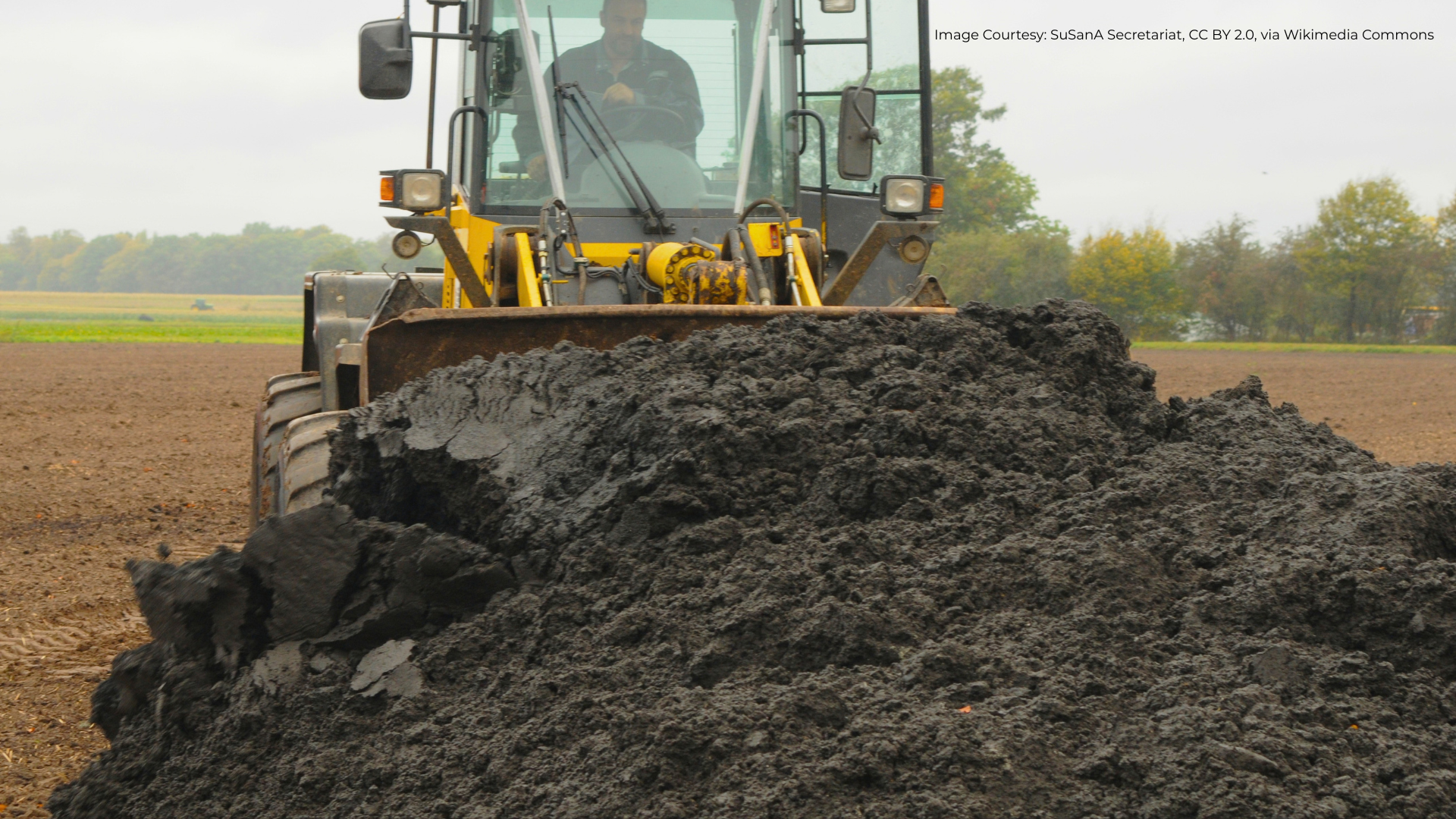
Sewage sludge, the solid material left after wastewater treatment, is often spread on farmland and sold as fertilizer. But wastewater treatment doesn't remove or destroy PFAS, "forever chemicals" like PFOA and PFOS, so they accumulate in sludge and can move into soil, crops, livestock, and water. PFAS have been linked to serious public health issues, especially during critical life stages such as pregnancy and early childhood. A previous EPA assessment found that farm families and their neighbors could face health risks in some scenarios.
The EPA is now asking for public comment on a revised guidance that downplays the risks and removes the most effective guidelines to keep the public safe. We're urging EPA to:
Make industrial pretreatment the top priority. When Michigan required wastewater treatment plants to use pretreatment methods to contain PFAS at the source, contamination levels fell by 99%.
Avoid incineration wherever possible, as they themselves acknowledge it can’t properly treat PFAS pollution.
Keep sludge away from all surface water, not just fishable or drinking-water sources.
Keep sludge off crops for people and livestock, and off grazing land.
Not just share voluntary guidelines; enact regulations that require actions to contain and monitor PFAS in sewage sludge before it pollutes our farms and communities.
Maine and Connecticut have already banned sludge spreading. Until federal rules catch up, clear, protective guidance is the least EPA can offer families and farmers.
Comments are due Monday, October 5. Add your name to the public comments, and make sure to add your own story.
Sponsored by

To:
U.S. Environmental Protection Agency
From:
[Your Name]
I urge EPA to strengthen its draft guidance on PFOA and PFOS in biosolids. Because the recommendations are voluntary, they must be specific, clear, and protective.
1. Make industrial source control the primary action. EPA describes highly effective state pretreatment programs without endorsing them; it should. Directly recommend that wastewater treatment plants and other sludge generators require industrial pretreatment and set discharge limits, as Michigan EGLE has shown is effective, cutting PFOS in sludge by up to 99% with these methods.
2. In describing best practices for farmers and other bulk land applications: State that sludge should not be applied to any crops for human or livestock consumption, only industrial crops like ethanol corn. A 2025 study found that vegetables grown on soils contaminated with sewage sludge contain relatively high concentrations of PFAS compared with those grown on uncontaminated soils, and cited a 2021 study which determined that dairy and beef cattle fed from pastures or feedstock where sewage biosolids had been applied have elevated PFAS levels in the meat and milk they produce. The EPA draft guidance already cautions stakeholders to avoid spreading sludge where egg-laying hens graze; the revised draft should expand that language to prohibit using sludge where any food-producing livestock graze, given known PFAS biomagnification in animals.
3. EPA acknowledges in the draft guidance that current incinerator operating conditions may not effectively treat PFAS and that no universal conditions are sufficient to destroy it, yet it recommends only monitoring, which does not sufficiently achieve the draft’s goal of mitigating PFAS contamination through voluntary action. This section should be revised to advise operators to avoid incineration wherever possible, pretreat sludge before incineration when it must occur, and use downstream air-pollution controls to limit human health hazards.
4. Advise avoiding application near all surface waters, not only fishable or drinking-water sources and vulnerable groundwater sources; all surface water must be free of sewage sludge to protect people and wildlife from PFAS contamination and prevent other water pollution issues like eutrophication.
5. In areas where guidance advises against applying sludge in areas accessed by children, greater clarification is needed to help stakeholders understand its importance. Explain the developmental risks to young children behind the guidance in these sections.
6. In describing best practices for industrial surface disposal, note that sites must be placed to avoid water contamination, in addition to existing siting restrictions.
Families and farmers should not have to shoulder PFAS pollution they did not create. Please finalize clearer, stronger guidance and move toward enforceable limits.
Thank you.