UK Government: Guarantee our fair share of cheap, clean energy from the wind and sun
Ed Miliband (Secretary of State for Energy Security and Net Zero); Jonathan Brearley (Permanent Secretary at DESNZ))
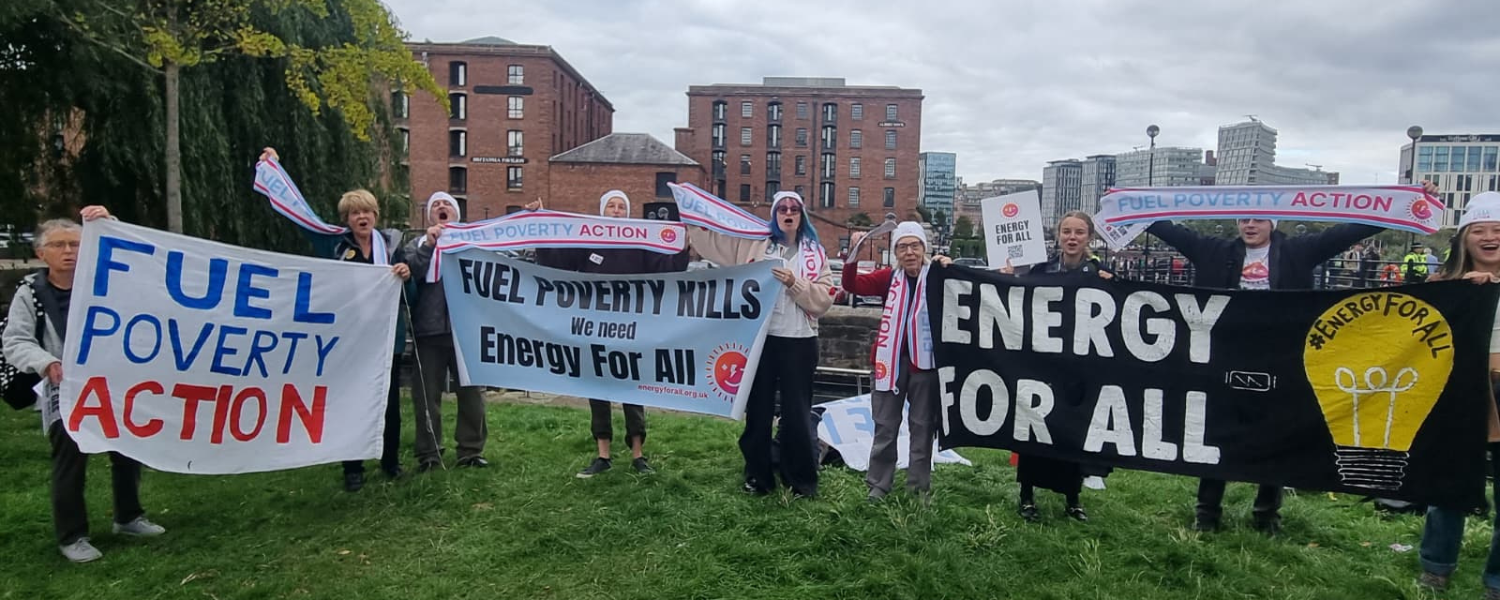
We should all be getting our fair share of cheap, clean energy from our wind and sun, to guarantee essential heating, hot water, washing, lighting and cooking for everyone.
The UK Government has promised to reduce our energy bills by 2030 through its Clean Power Mission.
But bills continue to climb and far right politicians, funded by fossil fuel lobbyists, are spreading misinformation in an attempt to stop the green transition in its tracks.
Energy firms are being allowed by this government to keep the benefits of cheap renewable electricity for themselves instead of reducing our bills.
Around 1 in 5 households are struggling to heat their homes, paying higher bills for energy produced at a cheaper cost; while ultra-cheap, even free, excess energy is going to waste due to paying to turn off wind farms rather than distribute the electricity to people who need it.
This Government must commit to fairness in the provision of renewable energy.
Sign our open letter, on behalf of an organisation, supporting the principle and specific proposals to deliver lower bills now.
Sponsored by

To:
Ed Miliband (Secretary of State for Energy Security and Net Zero); Jonathan Brearley (Permanent Secretary at DESNZ))
From:
[Your Name]
An open letter from Fuel Poverty Action and allies
Dear Ed Miliband and Jonathan Brearley,
We, the undersigned organisations working against poverty and the climate crisis, ask you both to commit to a guarantee that everyone in the UK will get a fair share of the benefits of renewable energy.
Such a commitment, embedded into policy, will greatly improve standards of living and social cohesion in the UK. It is an opportunity we cannot afford to miss.
50% of electricity comes from “clean”, mostly renewable, sources, and this Government intends this to be 95% by 2030. You have pledged to reduce our energy bills by £300.
We should all be getting our fair share of cheap, clean energy from our wind and sun, to guarantee essential heating, hot water, washing, lighting and cooking for everyone.
Instead, in its present delivery, energy inequality is getting worse and green measures mainly benefit the well-off. One in five UK households struggle to heat their homes. Due to market distortions, profits, subsidies, levies, and waste, they are paying higher bills for energy that is produced at a cheaper cost.
The Warm Homes Plan promises expanded access to renewables and a “universal offer for all households” to upgrade. But cliff edges in the plan mean that those just above unjust income cut-offs will be pushed into debt to pay for panels and batteries, with no guarantee of actual bill savings. Unless a guarantee is given, the plan is destined for the same pitfalls as all other well-intentioned government schemes, namely, huge variations in the actual warmth and savings delivered.
These failures are deepening a damaging political divide, where real injustices are seized upon by the far right and become a pretext for distorted narratives and misinformation. To turn this around, this Government must focus on how clean energy from the wind and sun can be equally distributed, to support a mission of eradicating fuel poverty in the UK.
We ask that you:
1. Commit to embedding the principle of equitable benefits from the energy transition into all Government and Ofgem policies and plans.
2. Agree to meet with the undersigned organisations to discuss how this principle can be best delivered in practice.
3. Incorporate an energy saving guarantee into the Warm Homes Plan, to ensure that work delivers on the improvements and bill savings promised.
The following recommendations outline a vision for a system committed to fairness in energy provision:
F Fair distribution and sufficient energy to guarantee everyone’s basic needs should be the end goal of our energy system. Renewable energy makes this deliverable today. Sharing cheap or free renewable electricity could ensure that we can all afford adequate heating, lighting, washing and cooking.
A Affordable pricing, free from market distortions, that delivers the benefits of renewables to households. This means breaking the link between the cost of cheaply generated electricity from the wind and sun with the high cost of running gas-fired power stations. This Government must end marginal cost pricing, implementing Power Shift, or a pay-as-bid system, saving £365 per household.
I Improve homes with safe, non-toxic, non-flammable insulation appropriate to the building, installed by skilled workers in consultation with and with accountability to residents of all tenures; private ownership, private rentals and social housing. Ventilation must go hand-in-hand with insulation to avoid promoting mould growth and poor air quality.
R Reduce Profiteering in Britain’s energy system across generation, transmission and distribution. The average household pays £500 a year towards energy profits. This is driving a poverty and ill health crisis.
S Storage heater users with hot water tanks, and customers on legacy tariffs like Economy 7, who are among the most affected by fuel poverty, must be offered the same rates by suppliers as affluent customers (such as those on cheaper EV Tariffs). This would create a saving of around 50% on heating and hot water costs.
H Heat networks must deliver promised savings and genuine efficiency to residents, and store excess energy at a local level for cheap or free distribution. To avoid past mistakes, which resulted in residents facing bill hikes, heat networks should form part of a wider development of community energy distributed locally to bring down bills.
A Affordable heat pumps must guarantee cheaper heat to residents through good quality installs and applying best value tariffs. A badly fitted heat pump on the standard Ofgem price cap can more than double bills. Without this guarantee, the Warm Homes Plan risks pushing people into fuel poverty.
R Rooftop solar must guarantee savings for residents rather than money being skimmed off by companies or landlords. Whilst some people enjoy low or zero bills, others are getting little benefit because of bad installs, lost export credit and lack of home storage and control.
E Excess wind energy should be distributed for use by people who need it. “Curtailment” already costs bill payers £1.5 billion a year to switch off wind farms during periods of high production, leaving nearby homes cold. Yet the amount of ultra-cheap, clean energy wasted could give every UK household 10% of its electricity free or power three million homes year round.