Urgent Comments to DEEP RE: Oxford Compressor Station
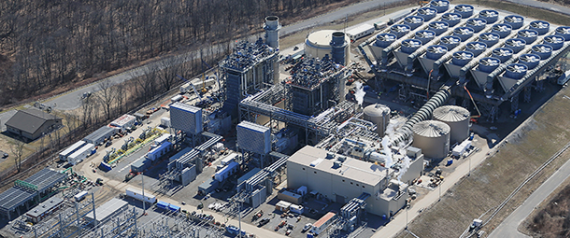
Compressor stations are highly toxic facilities that burn gas in order to create pressure along interstate pipeline systems.
DEEP is accepting written comments about the permit until July 19th. You can email your comments to: olivia.harris@ct.gov or use the letter provided on this page.
Please note that if DEEP outright rejects the operating permit application, they will be superseded by the EPA and FERC and the facility will continue to operate. You can definitely demand that DEEP reject the permit all together, it would be a really amazing and powerful act if they did, but unfortunately it would not shut down the facility.
You can use the pre-written comment tool on this page. Feel free to edit the letter and use any of the talking points below in your comments, you are also encouraged to add other demands and arguments!
Key Points for Comments
New federal methane regulations are not included in the draft permit
On March 8, 2024, EPA finalized a regulation under section 111(d) of the Clean Air Act that requires existing gas infrastructure to reduce methane emissions. This regulation is known as OOOOc.
In 2023 Congress passed the Inflation Reduction Act, which established the Methane Emission Reduction Program (or MERP) in the newly enacted section 136 of the Clean Air Act. 42 U.S.C. § 7436. Specifically, this program applies fees to gas compressor stations which emit more than 25,000 tons per year of greenhouse gas emissions. The Oxford Compressor station released double this amount of emissions in 2019, 2021 and 2022.
Both of these new regulations are missing from the draft permit. DEEP must amend the draft permit to include these federal regulations.
Enbridge should be made to notify residents and DEEP about “blow downs”
Blow downs are when huge amounts of gas are released at once in order to relieve pressure along a pipeline route. Blow downs can sound like a huge explosion, shake houses, and leave the smell of gas in the air.
DEEP should mandate that Enbridge notify residents and DEEP about these blowdowns in advance. Residents near the compressor station have been asking for this for years.
Create a timeline for shutting down the facility
In 2008 Connecticut passed legislation that mandates the state to reduce emissions 80% by 2050. In 2018 legislation was passed in Connecticut that mandates that the state achieves 100% carbon free electricity by 2040. The continued operation of the Oxford compressor station - which pumps fracked-gas through Connecticut - is not compatible with these climate goals.
Over time, carbon dioxide equivalent emissions (CO2e) from the Oxford Compressor station have increased, and in 2019, 2021 and 2022, emissions exceeded 50,000 metric tons annually of CO2e.
DEEP must create a timeline for shutting down the Oxford compressor station. The draft permit would give approval to Enbridge to operate the facility for five more years. This is unacceptable - the length of the permit must be shortened.
DEEP must conduct their own air monitoring in Oxford
The draft permit relies on Enbridge self-reporting their own emissions data. But how much can we trust the fossil fuel corporations that are wrecking our climate and poisoning our communities? DEEP should invest in air monitoring near the facility, and conduct frequent and random inspections of the facility.
It’s critical that DEEP take bold steps to monitor the impacts of the fossil fuel industry in Oxford, and protect the community.
The operations of gas compressor stations are constantly fluctuating. So if a resident smells gas coming from the facility, and reports it to the DEEP, by the time a DEEP agent arrives the smell will likely be gone.
Because of this, it is essential that DEEP conduct long term air monitoring around the facility and work in close relationship with nearby residents on the implementation of this monitoring.
Thank you in advance for taking action on this critical issue!
Sponsored by
.png)