Stop glyphosate spraying in Darlington
Andy Keir, Local Services Portfolio, Darlington Borough Council
Darlington Council is making the town look ugly. They’ve created unsightly rings around trees, benches and even children’s play equipment.
Spraying of Glyphosate is poisoning the ground and making these bare lifeless rings.
We call on Darlington Borough Council to stop spraying and leave nature alone, to let the flowers grow. Leaving the weeds to grow will save money and support wildlife.
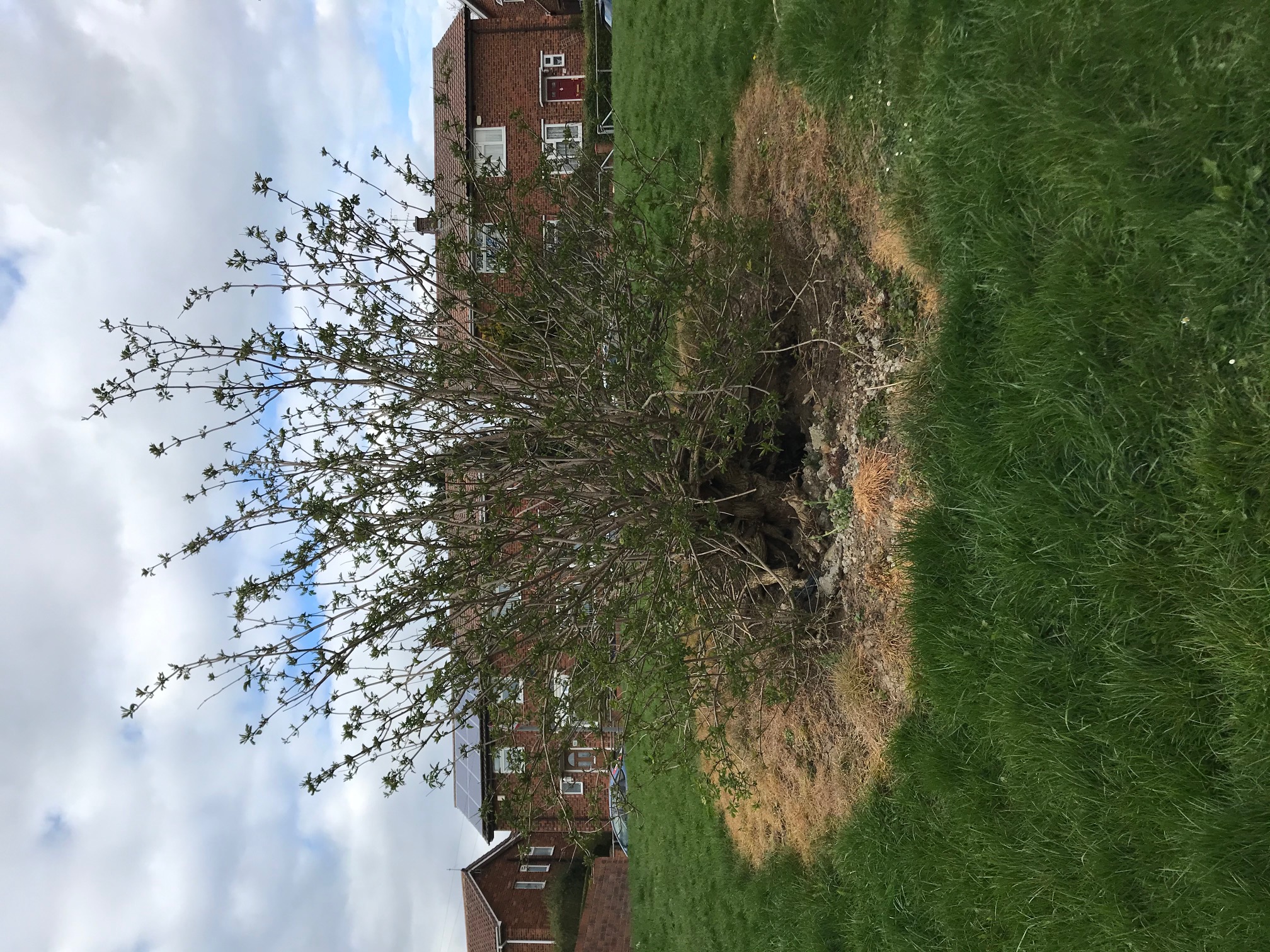
Glyphosate is known to kill numerous insects such as bees and earth worms that pollinate plants and keep soil healthy and cause cancer in humans. Many other Councils across the UK are phasing out Glyphosate, and we ask that Darlington Borough Council do the same.
Darlington Borough Council and their contractors make extensive use of Glyphosate in public spaces and all other spaces they maintain. Glyphosate poses a real risk to the public, our environment and to Darlington Borough Council workers. It has already been banned in Holland, Denmark, Sweden and France as well as by some Councils around the UK including Trafford, Brighton, Bristol and Croydon.
In 2015 the International Agency for Research on Cancer (IARC) classified Glyphosate as “probably carcinogenic to humans” and also concluded that there was “strong” evidence for genotoxicity - see their findings HERE.
A breakthrough court case against Monsanto was won by a man who developed cancer after using Roundup. He was awarded $289 million in damages.
Other councils now use eco-friendly alternatives such as non-toxic Foamstream. Methods such as Mesh-Tech are now available to combat Japanese Knotweed.
Glyphosate also kills beneficial insects and has been proven to cause mortality in several species including bees, predatory mites, lacewings, ladybirds and predatory beetles. Argentinian studies suggest that glyphosate use leads to a decline in honeybee activity. The demise of the monarch butterfly population in New York has been blamed on glyphosate. It is also known to be toxic to earthworms and inhibits the growth of mycorrhizal fungi which are essential for tree health.
Researchers from the University of Washington evaluated existing studies into the chemical and concluded that it significantly increases the risk of non-Hodgkin lymphoma (NHL), a cancer of the immune system. "All of the meta-analyses conducted to date, including our own, consistently report the same key finding: exposure to GBHs (glyphosate-based herbicides) are associated with an increased risk of NHL," the authors wrote in a study published in the journal Mutation Research.
Sponsored by

To:
Andy Keir, Local Services Portfolio, Darlington Borough Council
From:
[Your Name]
I am concerned that the Council still makes widespread use of Glyphosate in public spaces despite the mounting evidence of its link to cancer in humans, and impact on beneficial insects.
I'd like to ask that you join the increasing number of UK Councils in phasing out the use of Glyphosate and replace it with non-hazardous alternatives such as Foamstream or steam treatment.